What Is Fine-Grain Bentonite Cat Litter? Inside LINGSHUAI’s Millet Formula
How we screen, demonstrate and inspect our 0.5–1.44 mm Bentonite Millet Cat Litter.
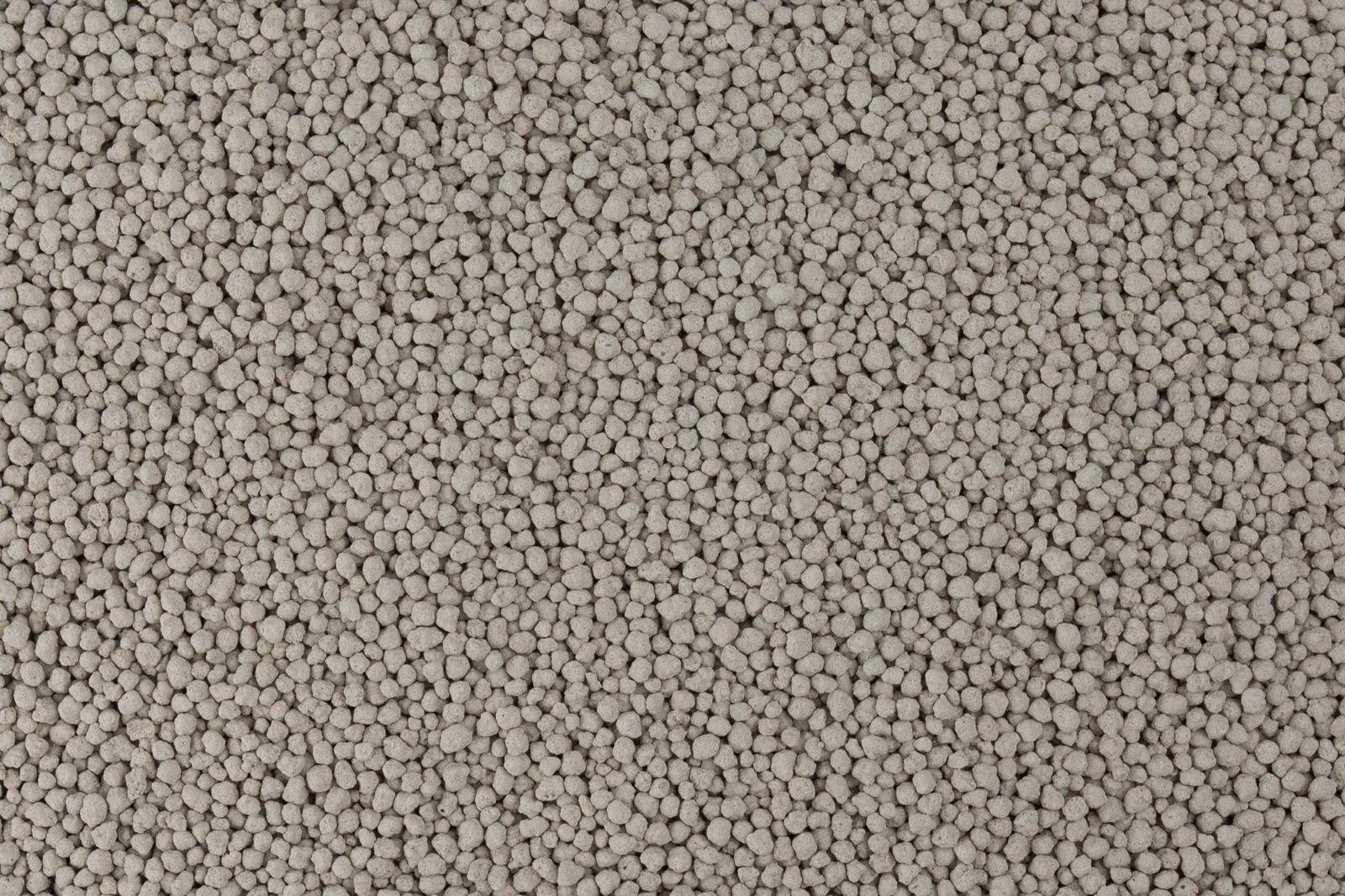
Fine grain cat litter made from bentonite is a mineral litter with small finished granules. At LINGSHUAI, our Bentonite Millet Cat Litter has a reference granule size of 0.5–1.44 mm. We use “Millet” as the product name. The base material is bentonite.
When we discuss this formula with customers, we start with a physical sample. It lets us observe how granules spread in a tray, how the wet litter holds together when lifted, and how dry granules move through a scoop.
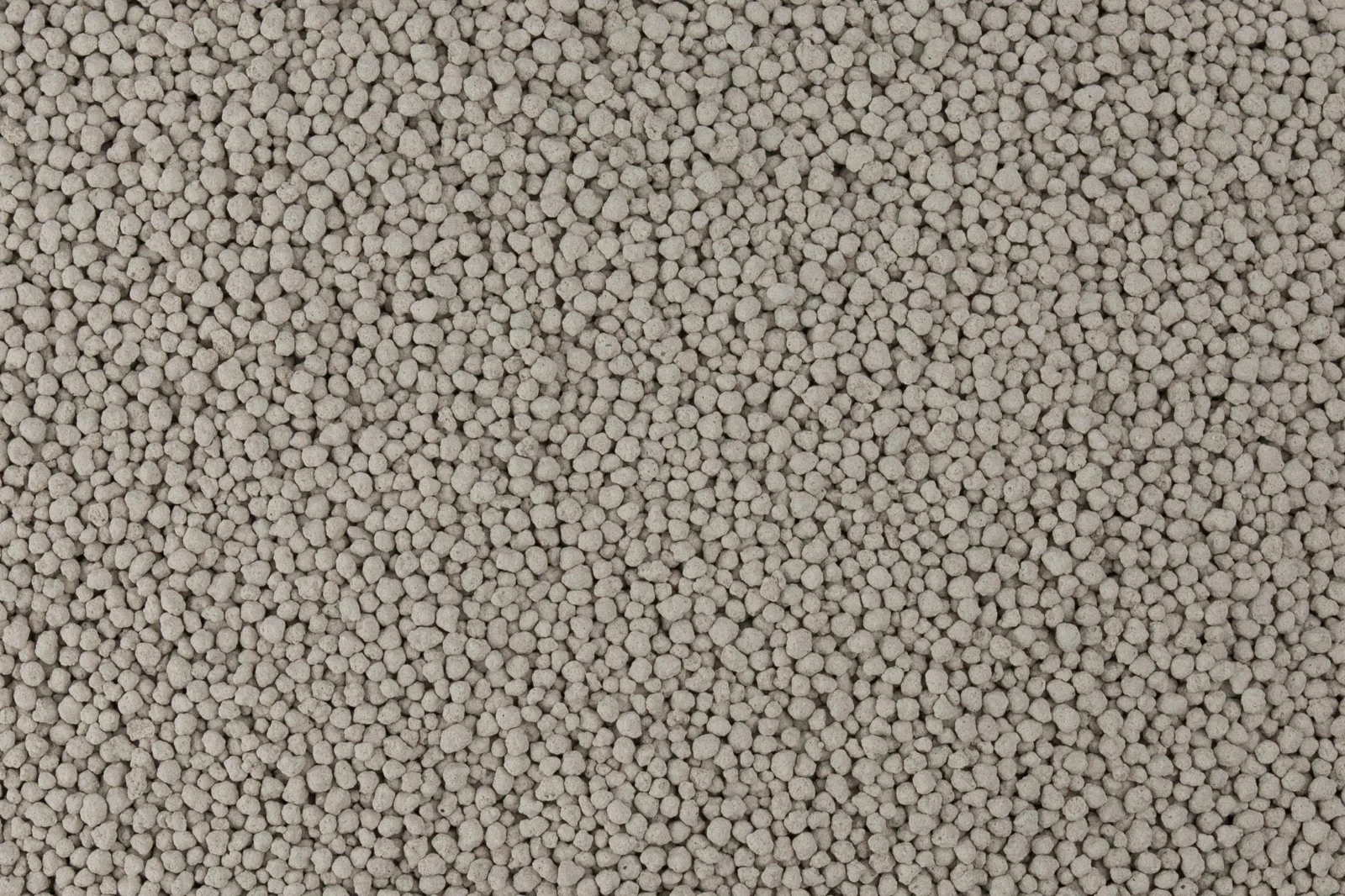
Dry granules from our Bentonite Millet Cat Litter product library.
1. What We Mean by Fine-Grain Bentonite Cat Litter
Our 0.5–1.44 mm Bentonite Millet Cat Litter
We describe Millet by its finished granule size. The 0.5–1.44 mm reference applies to this product and gives us a specific range to discuss when preparing samples. See the Millet product specifications.
How We Describe Granule Size and Shape
We record size and shape separately because products with overlapping size ranges can look and handle differently. Our 1–2 mm Ball specification overlaps the upper end of Millet’s range. Our crushed carbon formula also overlaps Millet in size and has an irregular granule profile.
| LINGSHUAI product | Reference granule size | Granule description |
|---|---|---|
| Bentonite Millet Cat Litter | 0.5–1.44 mm | Fine-grain format |
| Ball Bentonite Cat Litter | 1–2 mm, 2–3.5 mm, or 1–3.5 mm | Rounded granules |
| Crushed-type Carbon Bentonite Cat Litter | 0.5–2 mm | Irregular crushed granules |
The Ball and crushed formats have their own production routes. How we make spherical granules · How we make crushed granules.
2. How We Screen and Assess Our Fine Granules
What the Size Range and Sieve Results Tell Us
We screen finished granules by size. A sieve analysis shows how much material falls into each measured size band. Two samples can share the same stated range and contain different proportions near its limits. That difference can help explain how they feel or flow when poured.
How We Check for Loose Powder and Dust During Pouring
The small granules are the finished product. We also look for loose powder in a sample and observe visible dust during pouring. Loose powder describes material in the sample. Visible dust describes what becomes airborne during handling. For a side-by-side pouring comparison, we use the same amount of litter, pour height and container.
3. What We Observe When Fine Granules Get Wet and Are Scooped
Liquid Spread, Clump Formation and Release from the Tray
We observe how far liquid spreads across the litter surface. After a set waiting time, we lift the clump to see if it holds together or leaves fragments. If the wet area reaches the bottom, we also observe how the clump releases. When comparing samples, we keep litter depth, liquid dose and waiting time consistent.
Watch the Millet clumping demonstration on YouTube.
Dry Granules Passing Through the Scoop and Tracking Outside the Tray
We consider the width of the scoop slots alongside particle size and observe whether loose granules fall back into the tray. Tracking describes granules carried or scattered outside it. Particle shape and size, the cat’s movement and the tray setup can all influence tracking.
4. How We Confirm a Millet Sample Before Production
What We Confirm With Customers After an Inquiry
Our team discusses the intended market, granule specification and bag format. If a finer texture or easier release from the tray is a priority, we discuss what the sample shows and what to compare in the next sample before confirming the product and packaging specifications.
What We Check Before Each Shipment
Before shipment, we check each batch for granule condition, clumping, dust during pouring and packaging. We use the confirmed sample and order specifications as references for clump handling, bag format and the agreed fill. Contact LINGSHUAI about Millet samples and packaging.