What Is Crushed Bentonite Cat Litter? How LINGSHUAI Makes Irregular Granules
How we make, screen and inspect our irregular bentonite granules, including our crushed carbon format.
By LINGSHUAI
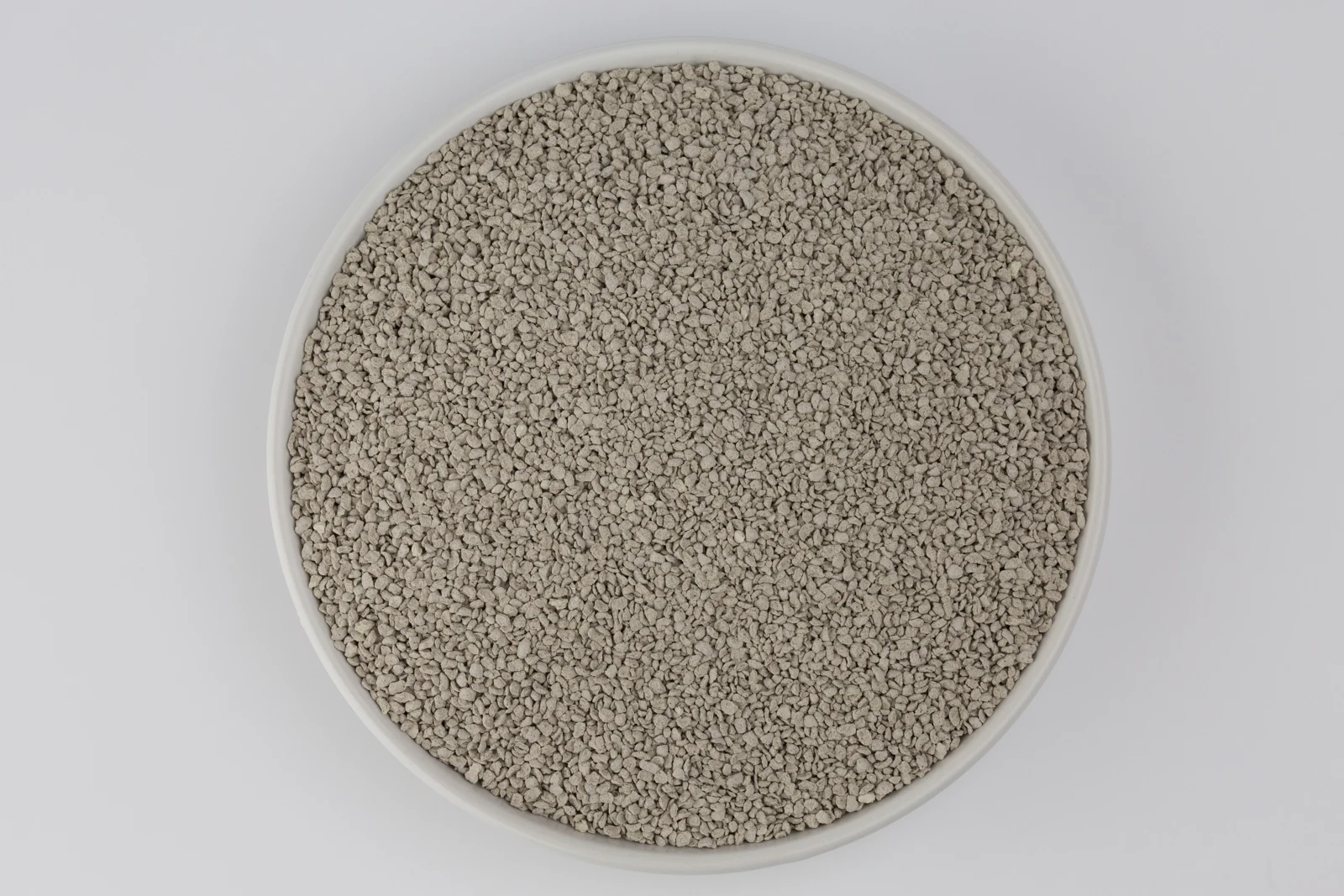
Crushed bentonite cat litter is a mineral litter made from bentonite with an irregular granule shape. At LINGSHUAI, we first form near-round granules in a pan, then use a double-roll crusher to break them into irregular particles. We dry and screen the material to the target size range. Our Crushed-type Carbon Bentonite Cat Litter is one example, with a reference particle size of 0.5–2 mm.
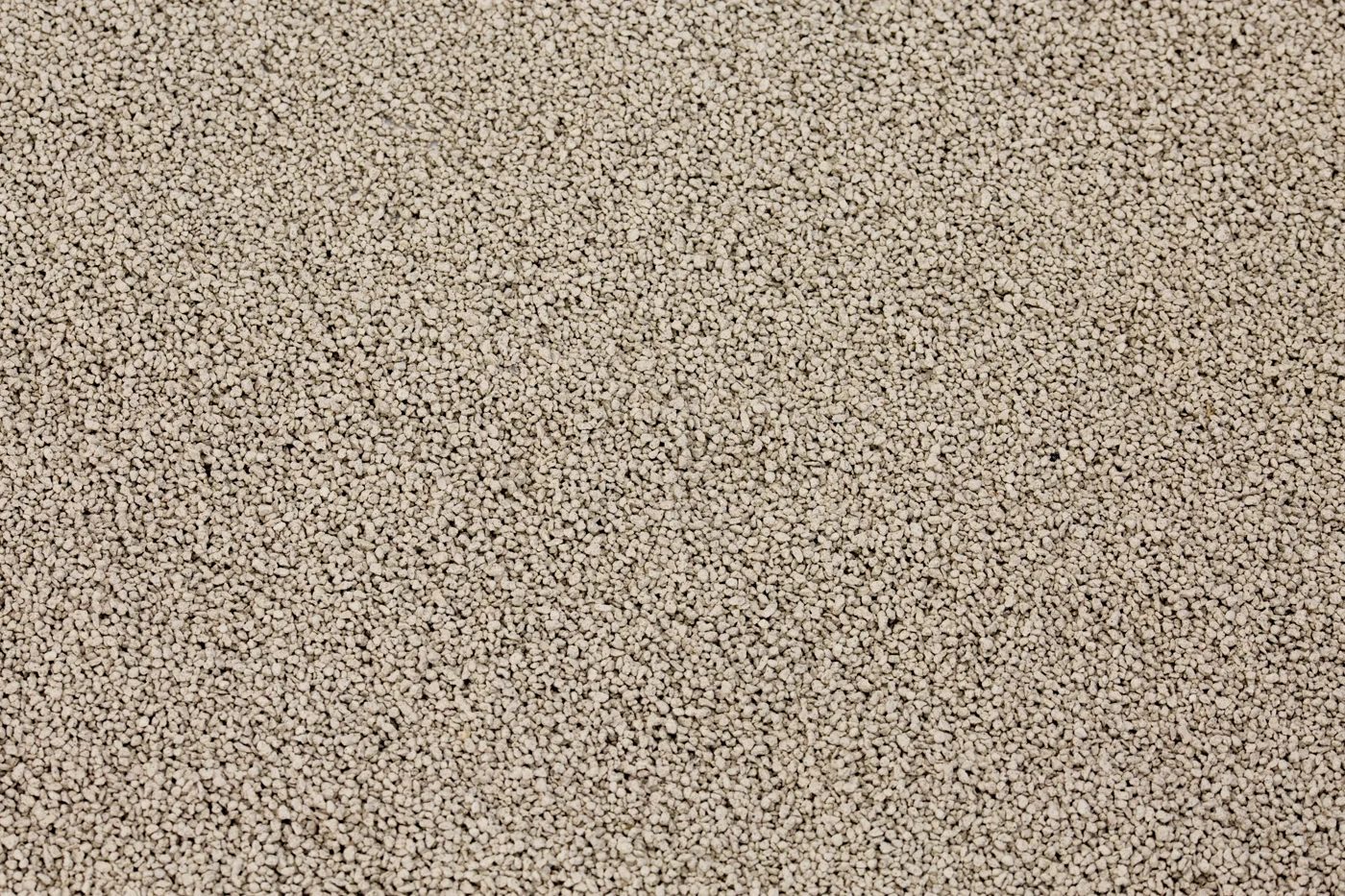
Close-up of a crushed bentonite sample showing the irregular granule profile.
1. How We Make Crushed Bentonite Cat Litter
From Raymond Milling to Pan Granulation
We grind the prepared bentonite in a Raymond mill and feed the material into a rotating granulation pan. As the material rolls, it gathers into near-round granules. This step prepares the material for the crusher and gives the two production routes a common starting point.
How Double-Roll Crushing Creates Irregular Granules
After granulation, the routes diverge. For our crushed format, a double-roll crusher breaks the formed granules into smaller, irregular particles. For our spherical format, we retain the rounded profile. Both routes include drying and screening before the finished material is prepared for packing. Read how we make spherical bentonite cat litter.
| Stage | Crushed format | Spherical format |
|---|---|---|
| Forming | Near-round granules form in the pan | Near-round granules form in the pan |
| Shape after forming | Double-roll crushing produces irregular particles | The round profile is retained |
| Finishing | Drying and screening to the target specification | Drying and screening to the target specification |
2. What Granule Size Means for Our Crushed Format
How We Screen Irregular Granules to a Target Range
For this granular cat litter, we use screens to separate the crushed material into size bands. The 0.5–2 mm reference range describes the particle sizes specified for our Crushed-type Carbon Bentonite Cat Litter. A sieve result adds detail by showing how much material falls into each measured fraction. Two samples can share a reference range while containing different proportions of larger and smaller particles.
How Granules Behave During Pouring and Scooping
When we pour a sample, we can observe how the loose granules move. During scooping, the clearance between the slots matters because dry particles need room to fall back into the tray. Particle size and shape can affect that movement. We consider the scoop opening and litter depth when discussing how a sample behaves.
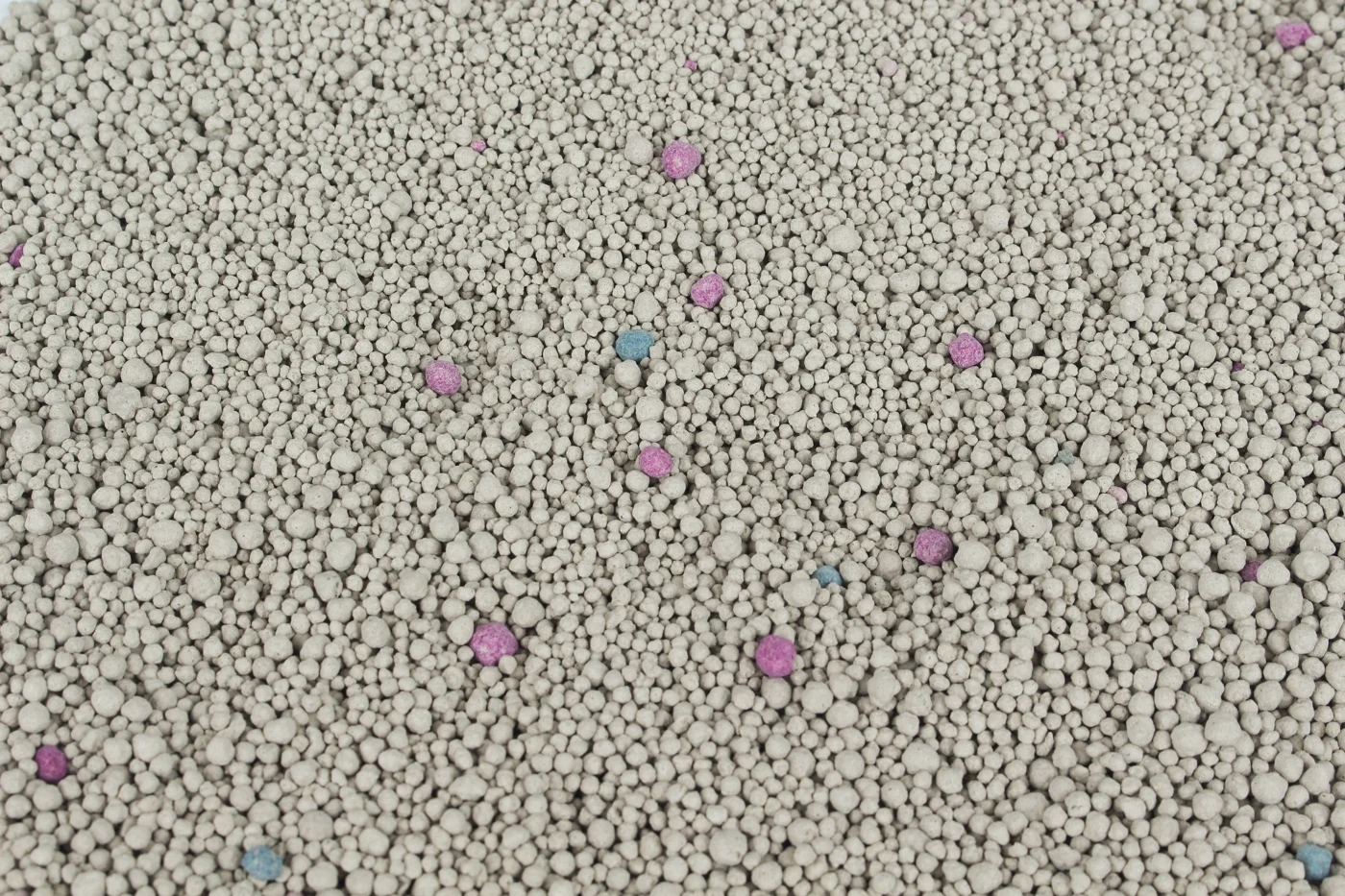
A round bentonite sample for visual comparison with the irregular crushed particles above. The photographs show shape at different magnifications.
3. How We Evaluate Clumping, Dust and Tracking
Clump Formation, Scooping Integrity and Tray Adhesion
We look at three moments in a clumping sample: when the wetted granules first gather, whether the clump holds together when lifted, and how it releases from the tray bottom. A sample can form a clump quickly and still break during removal. When comparing samples, we define the liquid dose, waiting time and scooping method so that the observations can be compared on the same basis.
Pouring Dust, Loose Fines and Granules Carried Outside the Tray
Screening separates material by size, and dust collection operates at relevant stages of production. During finished-product checks, we observe dust released during pouring and check for loose fines in the material. Tracking concerns granules carried outside the tray. It is influenced by the particles and by how the cat digs, steps and exits the tray. We discuss these observations separately because each describes a different part of product behaviour.
4. Our Crushed-type Carbon Bentonite Cat Litter
What “Crushed” and “Carbon” Describe in This Product
In Crushed-type Carbon Bentonite Cat Litter, “crushed” describes the irregular granule format. “Carbon” refers to the carbon-containing formulation. The two details tell customers what the granules look like and how the formula is positioned. We use the product specification and the corresponding sample to discuss odour-control requirements.
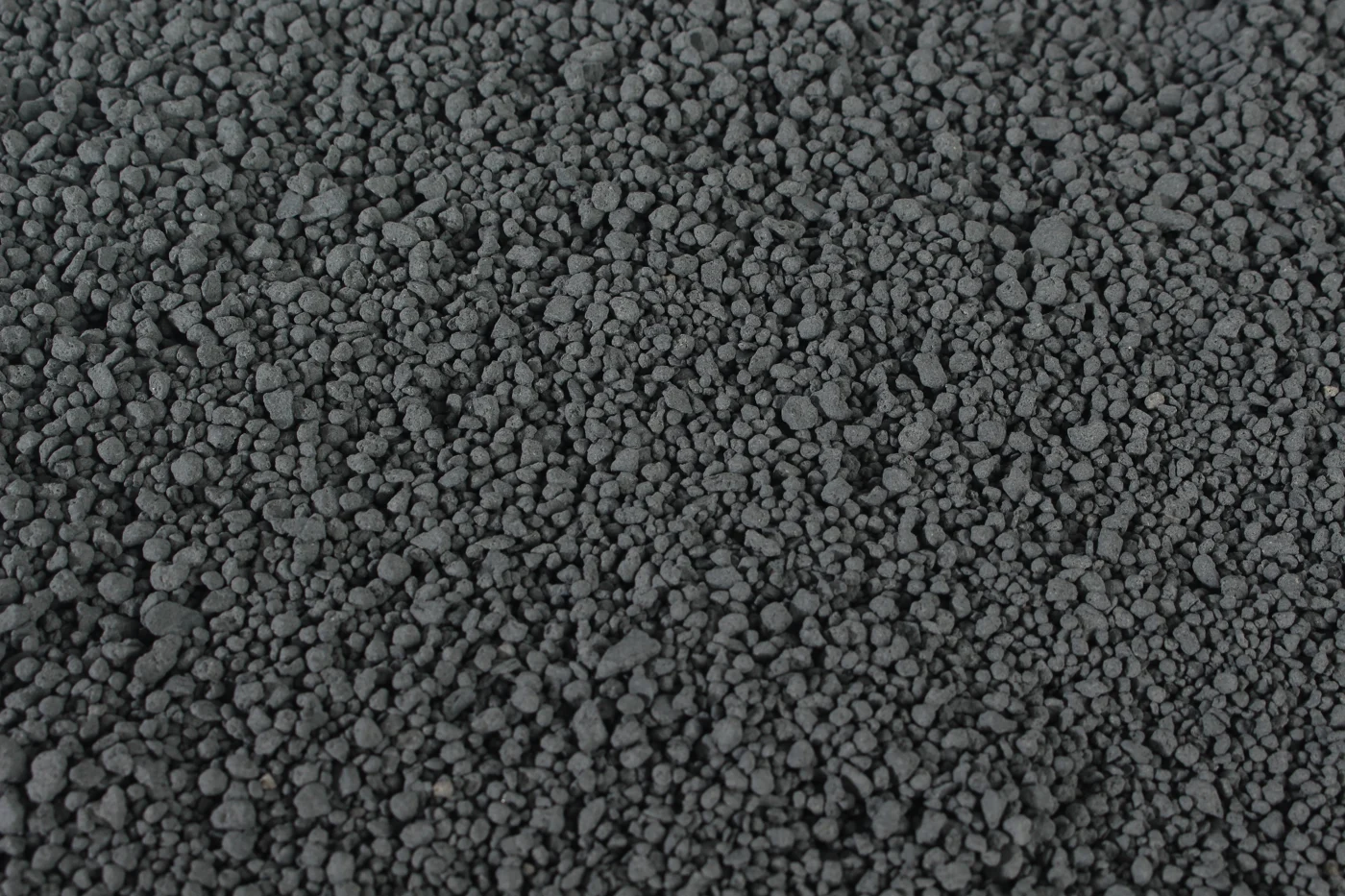
Crushed-type Carbon Bentonite Cat Litter from our product library, showing its dark, irregular granules.
How We Confirm the Sample and Packaging
We confirm the particle-size range, formula, fragrance and packaging together. Before shipment, each batch follows our inspection process for granule condition, clumping, pouring dust and packaging. Customers can share the intended market, bag format and expected quantity so our team can discuss samples and supply arrangements. View Crushed-type Carbon Bentonite Cat Litter · Contact LINGSHUAI.