
Hướng dẫn chọn cát mèo bentonite cho thị trường Việt Nam: trang này giải thích lựa chọn sản phẩm, tránh nhồi nhét từ khóa và dẫn người mua mua sỉ tới thông số phù hợp. Với hầu hết cát mèo vón cục, hãy xúc chất thải hàng ngày và thay toàn bộ khoảng mỗi 1 đến 2 tuần. Câu trả lời thực sự cho việc bao lâu nên thay cát mèo phụ thuộc vào loại cát, số lượng mèo, độ sâu của hộp, độ ẩm, mùi và mức độ khóa ẩm của công thức.
LINGSHUAI looks at this question from two sides: the daily cleaning routine in the litter box and the material performance of the litter itself. A cleaner routine is easier when the litter absorbs quickly, forms firm clumps, produces low dust, and leaves less wet residue in the tray.
Dùng lịch làm điểm khởi đầu, sau đó kiểm tra tình trạng hộp. Nếu mùi ẩm quay lại sau khi xúc, cục vỡ thành mảnh ướt nhỏ, hoặc cát dính đáy khay, hộp cần thay toàn bộ sớm hơn.
Daily scooping vs full changes
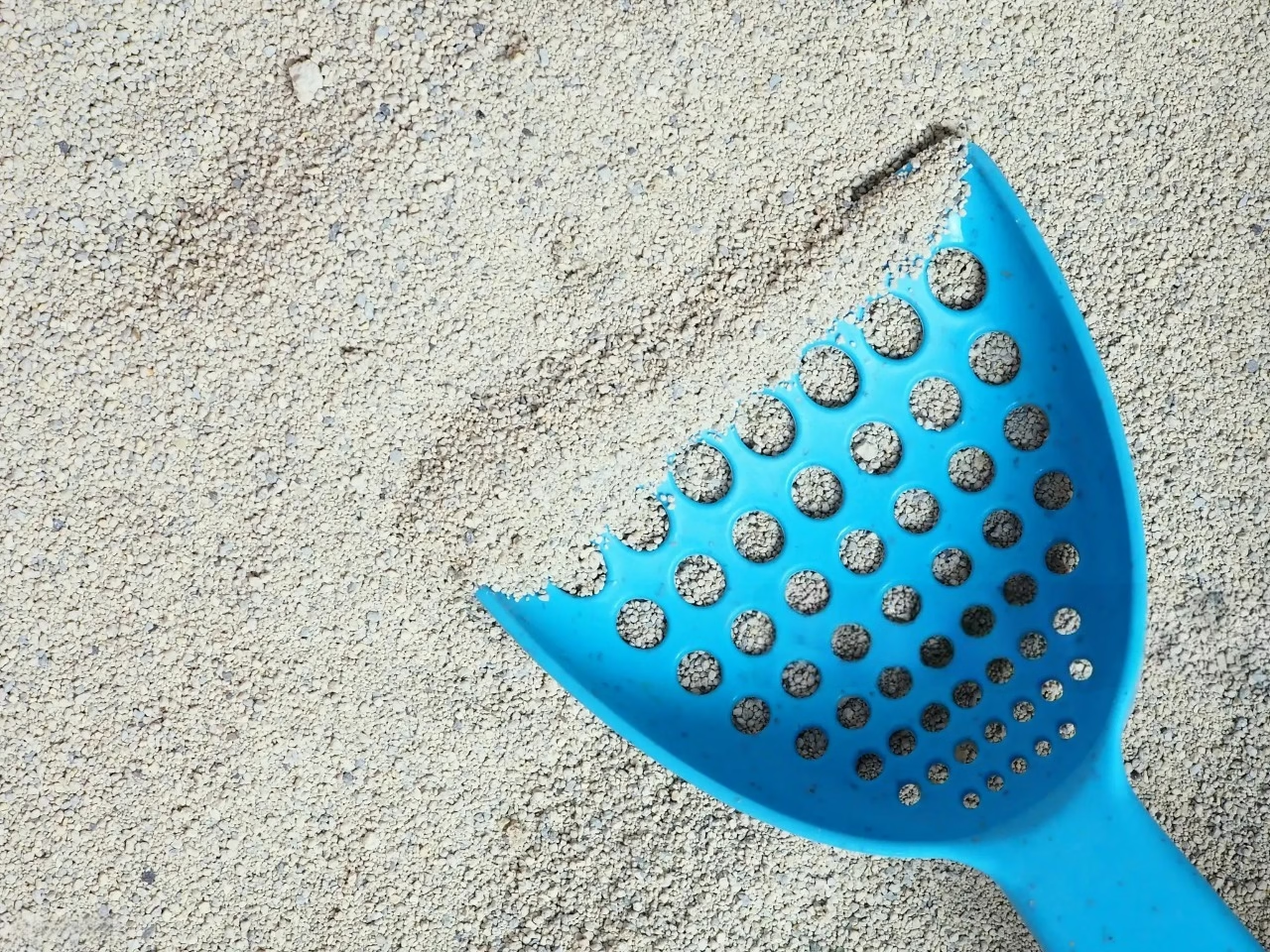
Daily scooping removes wet clumps and solids before odor spreads through clean litter. A full change removes the remaining old litter, washes the tray, and resets the box before hidden dampness becomes the normal smell of the room.
- Scoop daily: lấy cục nước tiểu và chất rắn mỗi ngày một lần, hoặc hai lần nếu khay được dùng nhiều.
- Top up carefully: add fresh litter after scooping only when the remaining litter still feels dry and clean.
- Thay hoàn toàn: empty the box when the remaining litter smells damp, feels sticky, or becomes too shallow to cover waste.
Thêm cát mới lên cát ướt cũ có thể làm bề mặt trông đẹp hơn trong thời gian ngắn, nhưng không loại bỏ cặn ẩm ở lớp dưới. Nếu cát bên dưới đã cũ, mùi sẽ quay lại ngay khi hộp được dùng lại.
| Routine | Thời điểm thường lệ | Điều cần lưu ý |
|---|---|---|
| Remove wet clumps and solids | Every day | Broken pieces, sticky spots, or missed corners |
| Top up clean litter | After scooping when depth drops | The box should still smell clean before topping up |
| Full litter replacement | Often 1-2 weeks for many single-cat clumping boxes | Shorten the cycle if odor or dampness returns early |
| Rửa và lau khô khay | At each full change | A dry tray helps the new litter start clean |
Lịch đơn giản theo loại cát
Các loại cát giữ ẩm theo cách khác nhau, nên lịch thay toàn bộ không nên giống nhau cho mọi khay. Bảng dưới đây đưa ra điểm khởi đầu thực tế. Thời điểm cuối cùng nên theo tình trạng khay thực tế.
| Litter type | Scooping routine | Full change starting point |
|---|---|---|
| Clumping bentonite cat litter | Scoop daily and keep enough depth for firm clumps | About every 1-2 weeks for many single-cat boxes |
| Multi-cat clumping boxes | Scoop daily or twice daily | Often 5-10 days if moisture load is high |
| cát đất sét không vón cục | Remove solids daily | Usually more often, because urine remains in the tray |
| Cát silica hoặc tinh thể | Remove solids and follow the product instructions | Often longer, but replace when smell or saturation appears |
| Cát có nguồn gốc thực vật | Xúc hoặc đảo tùy theo vật liệu | Varies by material, humidity, and odor return |
If you are still choosing a litter type, the guide on common cat litter types and their use differences can help compare clumping, dust, tracking, odor control, and cleaning habits.
What changes how often cat litter should be changed?
Cùng một túi có thể hoạt động khác nhau ở hai gia đình. Số mèo, kích thước khay, độ sâu cát, độ ẩm phòng, chế độ ăn và thói quen vệ sinh đều thay đổi tần suất thay cát mèo.
- More cats: more urine means the litter reaches its limit faster.
- Độ sâu cát quá ít: shallow litter lets urine reach the tray bottom and causes sticking.
- Phòng ẩm: damp air can make odor return sooner.
- Cục vón yếu: các mảnh vỡ còn lại trong cát sạch và khiến hộp có mùi cũ.
- High dust: dust can carry stale odor and make the box feel dirty even after scooping.
- Ventilation and tray location: góc chật hẹp hoặc ẩm ướt thường cần kiểm tra kỹ hơn.
The ASPCA litter box guidance liên kết vấn đề hộp cát với cách lắp đặt hộp, độ sạch sẽ và sự thoải mái của mèo. Quy trình không chỉ là về ngày tháng; mà còn về việc mèo có tin tưởng hộp hay không.
Signs the box is ready for a full change
LINGSHUAI khuyến nghị đánh giá khay bằng mùi, tình trạng cục, độ tích tụ bụi và cặn đáy, chứ không chỉ số ngày. Một khay vẫn trông ổn bề mặt có thể đã cần thay mới hoàn toàn.
| Điều bạn nhận thấy | Điều đó thường có nghĩa là | What to do |
|---|---|---|
| Damp smell after scooping | Old wet fragments remain in the tray | Full change and wash the box |
| Cục vón bị vỡ | The formula is weak or the box is too shallow | Check litter depth and clump strength |
| Sticky tray bottom | Nước tiểu chạm đáy hộp trước khi vón cục | Empty, wash, dry, then refill deeper |
| Dust cloud during digging | Fine powder has built up or the litter is dusty | Change the litter and consider a lower-dust formula |
| Cat avoids the box | Smell, texture, location, or health may be involved | Clean the box and watch for health signs |
The Texas A&M guide to litter box etiquette also points to box cleanliness and placement as part of keeping cats comfortable with the tray.
What LINGSHUAI checks in bentonite litter
From the factory side, a good changing schedule starts before the litter is packed. LINGSHUAI checks whether bentonite absorbs quickly, whether clumps stay firm, and whether dust stays low after screening and handling.
That matters because strong clumping lets you remove dirty litter without throwing away too much clean litter. Low dust keeps the tray cleaner between full changes. Odor-control materials such as activated carbon or zeolite can help, but they cannot replace a weak base litter.
For product examples, compare fine granule low-dust bentonite cat litter, activated carbon cat litter, và rộng hơn trung tâm sản phẩm cát mèo bentonite.
How to clean the litter box itself
Khi thay toàn bộ, hãy đổ hết cát, rửa khay bằng chất tẩy rửa nhẹ, tráng kỹ và để khô trước khi đổ lại. Mùi chất tẩy mạnh có thể gây khó chịu cho một số mèo, nên khay cần có mùi sạch chứ không phải mùi nước hoa.
- Đổ hết cát ra.
- Wash corners and the bottom where sticky spots form.
- Rửa sạch và lau khô khay hoàn toàn.
- Đổ đủ độ sâu để nước tiểu tạo cục ổn định trước khi chạm đáy.
- Quay lại xúc dọn hàng ngày và điều chỉnh ngày thay toàn bộ theo mùi, bụi và chất lượng cục.
Nếu mùi là vấn đề chính, bài viết về how cat litter odor control works explains the difference between moisture locking, carbon, zeolite, and fragrance.
Send the granule size, scent level, and odor-control direction you want to compare. LINGSHUAI can check clump strength, dust level, and moisture locking with real sample tests.
Ask for sample comparisonFAQ
How often should you completely change cat litter?
For many single-cat boxes using clumping cat litter, a complete change is often needed about every 1 to 2 weeks. Change it sooner if clumps break, the tray smells damp after scooping, or the litter depth becomes too shallow.
How often should you scoop cat litter?
Scoop waste at least once a day. If more than one cat uses the same box, scooping twice a day can help keep wet clumps and odor from building up.
Can I add new litter on top of old litter?
Bạn có thể đổ thêm cát sạch sau khi xúc hàng ngày khi khay vẫn khô và mùi được kiểm soát. Nếu lớp đáy cảm thấy dính, bụi hoặc có mùi chua, đổ thêm sẽ không giải quyết được; khay cần thay toàn bộ và rửa.
Why does the litter box smell even after scooping?
Mùi có thể quay lại khi còn mảnh ướt, cục quá mềm, độ dày cát quá mỏng hoặc bụi mang mùi quanh khay. Thói quen vệ sinh rất quan trọng, nhưng độ chắc của cục và khóa ẩm nhanh cũng vậy.
Does clumping litter need changing less often?
Good clumping litter can reduce waste because wet litter is removed as a firm clump. It still needs complete replacement when the remaining litter no longer feels dry, clean, and low-odor.
How many litter boxes should a home have?
A common rule is one box per cat plus one extra box. Extra boxes reduce moisture load in each tray and usually make the cleaning schedule easier to manage.