Flushable Cat Litter Claims: Factory Guide for Export Buyers
A practical guide for importers on water-dispersible and flushable cat litter claims, product-specific evidence, label wording, testing, and destination-market review.
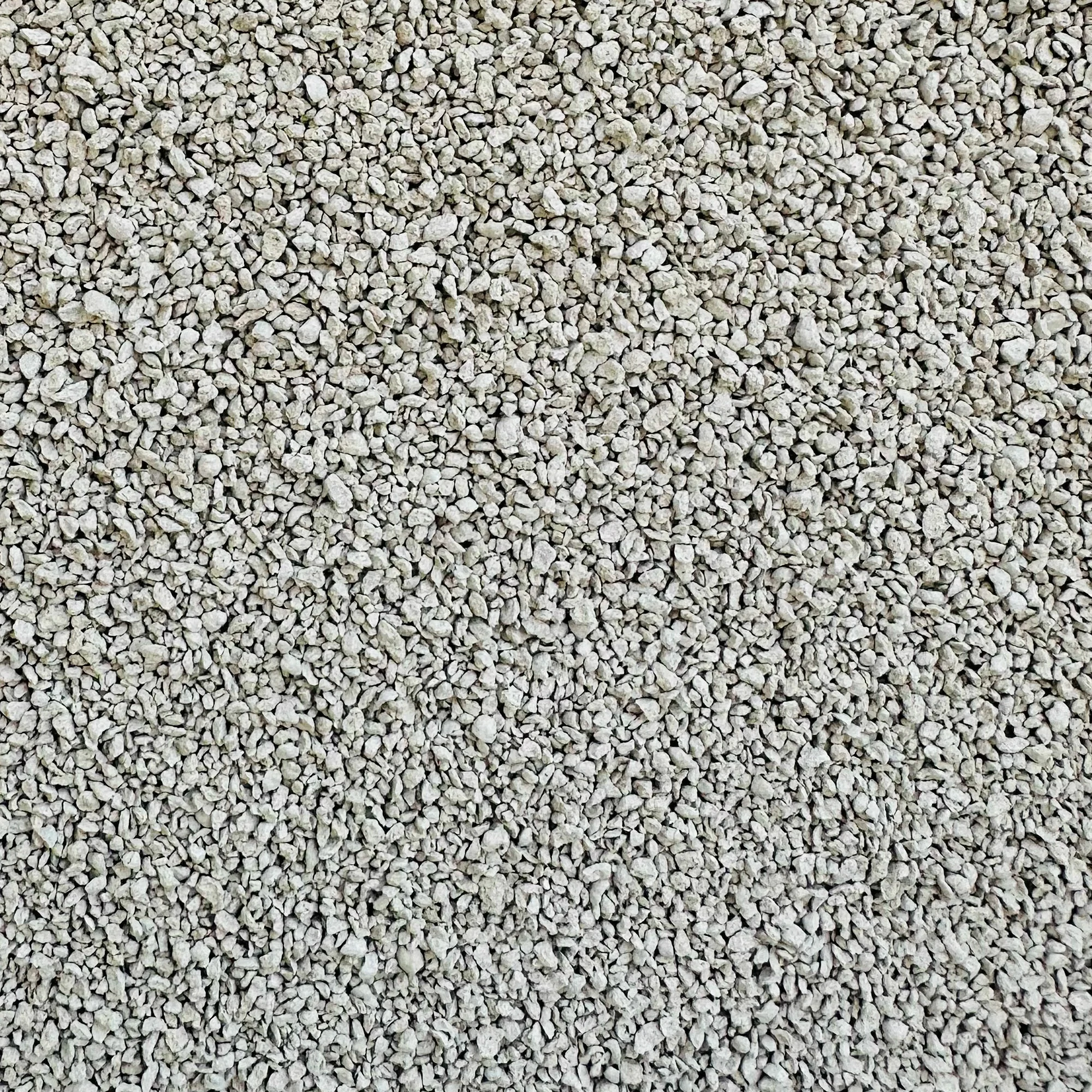
Flushable Cat Litter Claims: A Factory Guide for Export Buyers
“Flushable” is not a general property of bentonite. Standard clumping bentonite absorbs water, expands, and forms cohesive masses, so it should not be presented as suitable for toilet disposal without evidence for the exact finished formula and the destination market.
For an OEM or private-label project, first define the intended material, disposal method, target country, label language, performance specification, and packaging. Only then can the supplier and buyer decide which claims are supportable.
Start With the Finished Formula, Not a Marketing Phrase
Water behavior can change with the mineral grade, particle size, binder, plant-based component, fragrance, moisture, and other additives. A raw material certificate or a quick beaker test cannot establish safe performance in toilets, building drains, septic tanks, municipal sewers, and wastewater plants.
Buyers should distinguish three separate statements:
- Water-dispersible: the sample separates under stated laboratory conditions.
- Biodegradable: the material meets a defined degradation criterion under specified conditions.
- Flushable: the finished product meets a relevant protocol and is permitted by applicable disposal rules.
One statement does not automatically prove another.
Evidence Checklist for Importers
| Item to verify | Why it matters | What to request |
|---|---|---|
| Formula identity | Results must match the product being supplied | Product code, composition scope, granule specification, and change-control agreement |
| Test method | Undefined demonstrations are not comparable | Protocol, sample mass, water volume, agitation, temperature, timing, and pass criteria |
| Plumbing limitations | Pipe diameter, slope, flow, and septic conditions differ | Explicit limitations and applicable system types |
| Used-product conditions | Urine clumps and feces differ from clean samples | Evidence scope and public-health or wastewater restrictions |
| Destination requirements | Rules and accepted wording vary by market | Local regulatory review and approved label text |
| Current report | Old or unrelated reports may not cover the order | Report number, date, laboratory, sample identification, and full result |
Label Wording and Risk Control
A responsible label should not promise “safe for all pipes,” “septic-safe,” or “100% biodegradable” unless those precise statements are supported and legally acceptable. It should clearly state the permitted disposal method, restrictions, maximum conditions only when validated, and an alternative waste route.
Where local rules prohibit flushing pet waste—or where approval is uncertain—the label should direct users to sealed household-waste disposal. Claims should also be reviewed again whenever the formula, particle size, supplier, packaging instructions, or target market changes.
Factory Sample and Order Workflow
- Define the brief: target market, material, clumping level, granule size, dust target, odor-control option, bag weight, and intended claims.
- Prepare the sample: identify the sample with a product code and record the formula scope.
- Test performance: evaluate clumping, absorption, dust, odor control, package integrity, and any claimed water behavior using agreed methods.
- Review compliance: confirm destination rules, evidence, warnings, translations, and artwork before printing.
- Approve production: lock the specification and define how material or process changes will be communicated.
- Retain records: keep the approved sample, specification, report, label version, and batch records.
Practical Position for Bentonite Products
For ordinary clumping bentonite, the conservative instruction is not to flush it. If a buyer is developing a special water-dispersible composite, it must be treated as a distinct finished product: test that formula, define its limitations, and verify whether the destination permits the intended disposal wording. Environmental positioning alone does not establish plumbing or wastewater suitability.
What LINGSHUAI Can Confirm
LINGSHUAI can coordinate bentonite grade, granule form and size, clumping performance, dust target, additives, retail or bulk packaging, pallet and container plans, and export documentation applicable to the agreed order. Before artwork approval, the buyer and factory should confirm every disposal, environmental, performance, and certification statement against current evidence.
Send the target country, sales channel, required formula, bag size, order quantity, destination port, and proposed label claims. We can then prepare a sample and a specification for review rather than applying a generic “flushable” claim to standard bentonite litter.
Frequently Asked Questions
Is standard bentonite cat litter flushable?
It should generally be treated as non-flushable because it absorbs water, expands, and can leave mineral solids in plumbing.
Does a water-dispersion test prove toilet safety?
No. It shows behavior only under the stated test conditions. It does not by itself prove compatibility with every pipe, septic system, sewer, or wastewater rule.
Can the factory print a flushable claim requested by a buyer?
The claim should be printed only after the exact product, supporting evidence, limitations, and destination-market requirements have been reviewed and approved.
How to Choose a Cat Litter Supplier
We explain our bentonite sourcing, production workflow, batch quality checks, OE…
Read more
Cat Litter Manufacturer in China: Guide for Global Buyers
Cách chọn nhà sản xuất cát mèo bentonite cho thị trường Việt Nam: trang này giải…
Read more
Clumping vs Non Clumping Cat Litter: Key Differences
Hướng dẫn cát mèo bentonite vón cục cho khách mua sỉ cho thị trường Việt Nam: tr…
Read more