What Is Cat Litter Used For?
เรียนรู้ว่าทรายแมวใช้ทำอะไร วัสดุทั่วไปจัดการปัสสาวะ ของเสียที่เป็นของแข็ง และกลิ่นอย่างไร รวมถึงสิ่งที่ผู้ค้าปลีกและผู้จัดจำหน่ายควรตรวจสอบก่อนเลือกผลิตภัณฑ์ขายส่ง
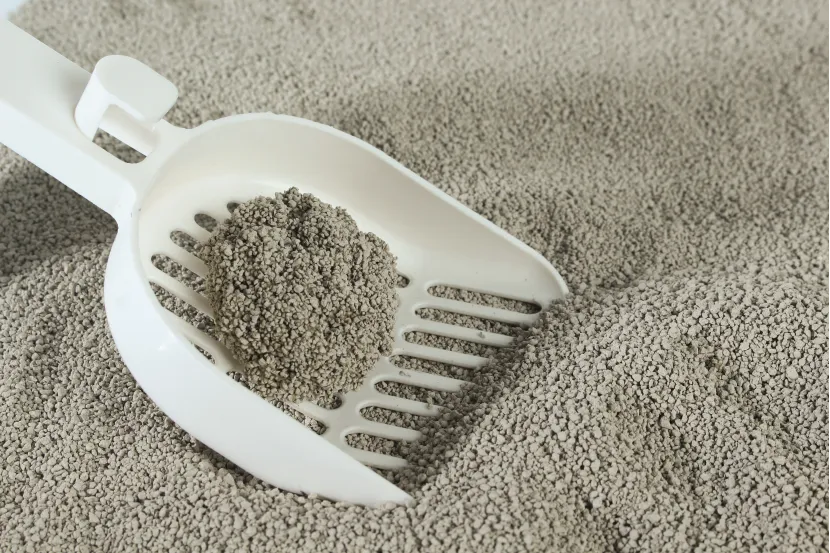
Cat litter is an essential product for maintaining a clean and comfortable indoor environment for cats. It absorbs moisture, helps contain waste, manages unpleasant odors, and makes litter box cleaning easier. Different cat litter materials and formulations offer different levels of absorption, clumping performance, dust control, and convenience.

For cat owners, choosing the right litter means finding a product that suits their cats' preferences and household needs. For pet stores and retailers, cat litter can attract customers looking for everyday pet-care essentials and encourage repeat purchases. For wholesalers and distributors, understanding product specifications, packaging options, landed costs, and supplier capabilities is essential for making informed purchasing decisions.
At LINGSHUAI, we manufacture bentonite cat litter and help confirm product specifications, samples, packaging, and export plans. We explain litter functions and materials alongside the details we agree with you before production.
1. What Is Cat Litter Used For?
Cat litter serves several practical purposes in everyday cat care. Its performance depends on the material, particle size, formulation, and maintenance routine.
1.1 Absorbing Urine and Moisture
One of the main functions of cat litter is to absorb liquid waste and reduce the amount of free moisture remaining in the litter box.
Bentonite cat litter is widely used because many formulations absorb liquid and form clumps when exposed to urine. This can make daily cleaning more convenient and help users remove soiled litter without replacing the entire contents of the box each time.
Absorption performance varies by product. Particle size, mineral properties, formulation, and production processes can all influence how much liquid a litter absorbs.
1.2 Forming Clumps for Easier Cleaning
Clumping cat litter binds together when it comes into contact with liquid, forming clumps that can be scooped out.
Clumping clay cat litter is a common option for households that prefer this cleaning method. Strong, cohesive clumps can make scooping easier and help reduce the amount of soiled litter left in the tray.
Clumping performance should not be judged by appearance alone. Useful evaluation points include how quickly the clump forms, whether it remains intact when lifted, how much material breaks away during scooping, and whether residue sticks to the bottom of the litter box.
We confirm these characteristics against the approved sample and written specification before arranging repeat supply.
1.3 Helping Control Unpleasant Odors
Cat litter helps manage unpleasant odors by absorbing moisture and containing waste. Some products also incorporate activated carbon, zeolite, or other functional ingredients to support odor control. Fragrance may be added separately according to the product formulation.
Actual odor-control performance varies by formulation and usage conditions. Regular scooping, appropriate litter depth, ventilation, and routine litter box maintenance remain important.
For retailers and distributors, odor-control products can provide another product category for customers seeking specific features. However, product claims should reflect the actual formulation and available test evidence.
1.4 Managing Dust and Litter Tracking
Dust and tracking are common concerns when using cat litter.
Dust may be generated when litter is poured, stirred, or scooped. Tracking occurs when granules stick to a cat's paws or fur and are carried outside the litter box.
We evaluate visible dust and granule handling during sample confirmation. Dust and tracking depend on the finished formula and use conditions, so we confirm the applicable test and acceptance requirements with you.
For manufacturers, particle screening, dust-control processes, and sample checks can help maintain more consistent product characteristics. For consumers, the amount of dust and tracking observed during normal use is often more useful than a broad marketing claim.
1.5 Providing a Comfortable Litter Box Experience
Cats can have different preferences for litter texture, particle size, fragrance, and cleanliness. A litter that works well for one cat may not suit another.
When introducing a new product, monitor your cat's behavior and consider its preferences. For multi-cat households, regular cleaning and a sufficient number of litter boxes are also important.
2. What Are the Main Types of Cat Litter?
Understanding the types of cat litter available helps consumers compare products and allows retailers to build a product range for different customer needs.
| Type | Main characteristics | Considerations |
| Bentonite cat litter | Clay-based; many formulations absorb moisture and form clumps | Clump strength, absorption, dust, tracking, weight, and price |
| Silica gel cat litter | Made from porous silica material that absorbs moisture | Texture, absorption behavior, and disposal instructions |
| Wood cat litter | Made from processed wood or wood-based materials | Pellet structure, moisture handling, and disposal requirements |
| Paper cat litter | Made from processed paper fibers | Texture, absorbency, and maintenance |
| Tofu cat litter | Typically made from plant-based materials such as soybean by-products | Clumping behavior, texture, and product-specific disposal guidance |

Each material has different characteristics and maintenance requirements. The right choice depends on the cat's preferences, the owner's cleaning routine, the intended price range, and local market demand.
Why Choose Bentonite Cat Litter?
Bentonite cat litter is widely used in household and commercial markets because many formulations combine moisture absorption with clumping performance.
We offer selected particle sizes, spherical and crushed granules, scent and unscented options, and additive blends for confirmed dust and odor-control requirements.
For wholesalers and retailers, bentonite cat litter also offers flexibility in product positioning. Standard clumping products may suit everyday use, while finer granules or additive-enhanced formulations can serve customers who prioritize particular features.
When comparing bentonite cat litter, evaluate:
l Particle size and shape: These influence texture, liquid contact, tracking, and user preference.
l Absorption performance: Compare how much liquid each product absorbs under consistent test conditions.
l Clumping performance: Assess how quickly clumps form and whether they remain intact during scooping.
l Dust levels: Compare visible dust generated during pouring and use.
l Packaging: Select package sizes and formats suitable for the intended sales channel.
These characteristics vary by formulation. Sample testing is recommended before committing to a large order.
3. How to Choose the Best Cat Litter
The best cat litter is not necessarily the most expensive product or the one with the most promotional claims. It is the option that best matches the cat's preferences, the owner's cleaning routine, and the available budget.
3.1 Compare Absorption and Clumping Performance
For consumers who prefer easy scooping, clumping products may be a practical choice. Compare how quickly the litter absorbs liquid, whether clumps remain intact during scooping, and how much residue remains in the litter box.
When evaluating clumping clay cat litter, it is useful to distinguish between three related but different characteristics:
l Absorption rate: How much liquid the litter absorbs relative to its test sample weight, according to the applicable test method.
l Clumping performance: How well the material binds together after absorbing liquid.
l Clump strength: How well the formed clump maintains its structure when lifted, moved, or scooped.
We review absorption rate, absorption speed, and clump strength separately because one result does not establish the other two.
LINGSHUAI product test data: absorption performance
The supplied LINGSHUAI product test summary includes absorption figures for several bentonite cat litter products. These results provide a practical example of how product formulations can differ.
| LINGSHUAI product | Product type | Particle size | Reported absorption rate |
| Mottled Blue Raw Litter | Crushed bentonite | 0.5–2 mm | 586% |
| Green Shield Raw Litter | Crushed bentonite | 0.5–2 mm | 485.85% |
| Dust-Free Blue Diamond No. 2 | Crushed bentonite | 0.5–2 mm | 420.1% |
| Dust-Free Blue Diamond No. 1 | Crushed bentonite | 0.5–2 mm | 411.2% |
| Dust-Free Little Iron Ore | Crushed bentonite | 0.5–2 mm | 336% |
| Dust-Free Ball Litter | Ball-shaped bentonite | 1–3.5 mm | 246% |

<text color="secondary" size="sm">Source: The LINGSHUAI Excel file “猫砂检测报告(总)” supplied for this article. Product names are translated from the source table. These are product-specific reported figures, not a guarantee of the performance of every formulation or production batch.</text>
The figures show that the tested crushed products have reported absorption rates ranging from 336% to 586%, while the tested ball-shaped product reports 246%.
We use these reported figures to discuss the named formulations. In this data set, the tested crushed products have higher reported absorption than the tested spherical product. These results do not establish a general ranking of all crushed and spherical formulas.
We agree consistent sample conditions with you and compare absorption speed, clump formation, clump strength, and residue after scooping.
3.2 Look for Dust Free Cat Litter
If dust is a concern, consider products marketed as dust free cat litter or low-dust formulations.
Evaluate how much dust is released when pouring, stirring, and scooping the litter. The term “dust free” should not automatically be interpreted as a guarantee that a product produces absolutely no dust. Actual performance depends on the product and handling conditions.
LINGSHUAI product test data: reported no-powder rates
The supplied test summary also lists the following no-powder rates for the same six products.
| LINGSHUAI product | Product type | Reported no-powder rate |
| Mottled Blue Raw Litter | Crushed bentonite | 99.96% |
| Green Shield Raw Litter | Crushed bentonite | 99.00% |
| Dust-Free Blue Diamond No. 2 | Crushed bentonite | 99.8% |
| Dust-Free Blue Diamond No. 1 | Crushed bentonite | 99.6% |
| Dust-Free Little Iron Ore | Crushed bentonite | 99.51% |
| Dust-Free Ball Litter | Ball-shaped bentonite | 99.80% |
These figures provide product-specific evidence that can support a more detailed discussion of dust control. However, a reported no-powder rate is not the same as a measurement of airborne dust concentration during use. It should not be interpreted as proof that the product is completely dust-free in every environment.
For wholesale orders, we check dust alongside absorption and clumping. Sample evaluation can include pouring, visible dust, clump formation, and tray residue under the agreed conditions.
We can arrange sample confirmation and pre-shipment test videos so you can review the agreed product characteristics before dispatch.
3.3 Consider Low Tracking Cat Litter
Low tracking cat litter is designed to help reduce the amount of litter carried outside the box. However, tracking is affected by several factors, not just the product name or marketing category.
Particle size
Particle size influences how granules interact with a cat's paws and fur. Smaller granules may fit between paw pads more easily and can be carried outside the box. Larger granules may be less likely to lodge in some paws, but their shape, weight, and surface texture also matter.
We confirm particle size and granule form by sample. Tracking also depends on use conditions, so a size specification alone is not a guarantee of low tracking.
Granule shape
Round and irregular granules can behave differently when they come into contact with paws and fur. Surface texture, edges, and how individual pieces move against one another can influence how easily granules are carried out of the litter box.
Ball-shaped bentonite and crushed bentonite may therefore offer different handling experiences. The better option depends on the specific formulation, granule size, and the cat's behavior.


Litter depth
The depth of litter in the tray affects how much litter a cat contacts when digging, turning, and covering waste. Too little litter may encourage a cat to scratch the tray bottom or move granules around more aggressively. Excessively deep litter may also allow more material to be displaced during vigorous digging.
Follow the product instructions and observe your cat's habits to determine an appropriate depth. A suitable litter mat around the tray can also help collect granules that are carried out.
Cat behavior
Some cats dig, scratch, kick, or jump out of the litter box more vigorously than others. Long-haired cats may also carry granules in their fur. The position of the litter box, the height of its sides, and the cat's movement as it exits can all affect tracking.
For this reason, low tracking is the result of both product characteristics and the surrounding setup. A litter that performs well for one cat may produce different results for another.
For retailers and distributors, it is useful to describe low-tracking products as an option designed to help reduce litter spread, rather than promising that no granules will leave the box.
3.4 Choose Between Scented and Unscented Cat Litter
Scented litter may appeal to owners who prefer a fragrance, while unscented cat litter may be more suitable for cats or households that prefer to avoid added scents.
Common fragrance options include lavender, baby powder, lemon, and other varieties, depending on the product range.
A stronger fragrance does not necessarily mean better odor control. Consider both the litter's actual performance and the cat's response when selecting a product.
We confirm fragrance separately from odor-control additives. We can prepare scented and unscented samples to match your confirmed product brief.
3.5 Compare Overall Value
A lower price per bag does not always mean a lower cost of use. Consider absorption, clump durability, the amount of soiled litter removed during cleaning, and how frequently the litter needs to be refreshed.
For consumers, trying a small quantity before purchasing a larger supply can help identify the most suitable product.
For wholesale and retail supply, we review packaging, batch consistency, shipping costs, and repeat-order scheduling together.
4. Why Is Cat Litter Important for Pet Stores and Retailers?
Cat litter is a consumable product that customers need to replenish regularly. For pet stores, supermarkets, and online pet retailers, it can contribute to repeat purchases and help attract customers looking for practical pet-care essentials.
Retail success depends on more than stocking a frequently purchased product. Retailers also need to offer suitable choices, communicate product benefits clearly, and maintain reliable availability.
4.1 Build a Product Range for Different Customer Segments
Not every customer prioritizes the same features. Some focus on price, while others value clumping performance, dust control, absorption, or additional odor-control features.
For a retailer or distributor sourcing from LINGSHUAI, the product range can be organized into four broad market segments.
Economy segment: low-dust ball-shaped bentonite cat litter
For price-sensitive customers and fast-moving consumer markets, a low-dust ball-shaped bentonite product can serve as an entry-level option.
The focus is on accessible pricing and the essential characteristics customers expect from everyday cat litter. Product selection should still take account of absorption, dust levels, and clumping performance required by the target market.
Explore LINGSHUAI's round bentonite cat litter options to compare available granule sizes and confirm the suitable formulation with the factory.
Standard segment: ball-shaped bentonite cat litter for everyday clumping
We offer standard bentonite formulations with the price, clumping, dust, and packing requirements confirmed by sample.
The main priorities are suitable absorption, reliable clumping, dust control, and convenient cleaning at a competitive price. This product category can suit retailers looking for an everyday option between the most economical products and more specialized formulas.
The exact particle size and clumping performance should be confirmed through samples. A ball-shaped specification does not automatically guarantee the same clumping result across all formulations.
Mid-range segment: crushed bentonite cat litter
For customers who prioritize absorption and clumping performance, finer crushed bentonite formulations can provide a different product proposition.
In the supplied LINGSHUAI test summary, the five tested crushed products report absorption rates of 336% to 586%, compared with 246% for the tested ball-shaped product. This supports a product-specific comparison of absorption performance, although it does not by itself prove stronger clumps in every case.
Retailers can consider crushed bentonite products for a mid-range assortment, then select the final formula based on absorption, clump strength, dust levels, texture, and target price.
See LINGSHUAI's sodium bentonite cat litter supply options for information about bentonite bases, granule sizes, sample confirmation, and wholesale packing.
Premium segment: functional-formula cat litter
Premium products can be differentiated through selected functional ingredients, distinctive appearance, or additional product features.
Depending on the formulation, options may include activated carbon, zeolite, SAP, carbon balls, or other functional mixtures. These ingredients can help create a more distinctive product proposition, but the specific benefits must be supported by the actual formula and appropriate testing.
For retailers, the goal is to offer a clear reason for customers to choose a premium product rather than simply raising the price.
Explore LINGSHUAI's activated carbon cat litter for an example of a bentonite formulation developed around visible carbon particles and odor-control positioning.
The following table summarizes how the product range can support different market segments.
| Market segment | LINGSHUAI product direction | Main positioning |
| Economy | Low-dust ball-shaped bentonite cat litter | Affordable everyday product for price-sensitive markets |
| Standard | Ball-shaped bentonite cat litter selected for everyday clumping | Balance of price, absorption, clumping, and dust control |
| Mid-range | Crushed bentonite cat litter | Product-specific focus on absorption and clumping performance |
| Premium | Functional-formula bentonite cat litter | Differentiation through selected additives and formulation features |
These categories are a suggested merchandising framework, not fixed product grades. The final assortment should reflect local demand, competitor pricing, sample results, and the manufacturer's confirmed specifications.
4.2 Use Cat Litter Content to Attract Potential Customers
Cat owners often search online for practical answers before buying a new product. Questions about litter types, dust, tracking, fragrance, clumping, and cleaning can provide useful topics for retailer websites and educational content.
For example, a retailer can publish a comparison of scented and unscented litter or explain how to evaluate clumping performance. These resources can help customers understand their options and guide them toward relevant product pages.
Educational content should provide useful, accurate information rather than simply repeating promotional claims.
4.3 Encourage Repeat Purchases and Related Sales
Once customers find a litter that suits their cats, they may continue purchasing it. Consistent product availability, clear product information, and appropriate package sizes can help support repeat business.
Retailers can also consider offering related products such as litter scoops, litter mats, litter boxes, and waste bags. These items address related customer needs and may create opportunities for complementary sales.
The most suitable product combinations depend on the store's customer base, sales channels, and inventory strategy.
4.4 Choose Packaging That Fits Your Sales Channels
Packaging affects product specifications, durability, customer understanding, brand presentation, and logistics. For cat litter, packaging decisions are especially important because the product is heavy and can generate dust through friction during transport.
1. Bag weight and dimensions
Bag weight and dimensions determine the product format, handling requirements, and suitability for different sales channels.
Common retail formats may include 4 kg, 8 kg, and 15 kg packs. Other weights can be considered according to market demand and packaging capabilities.
Packaging material should also match the product weight. PE plastic bags are commonly used for smaller retail packs, while heavier packs of around 15 kg or more may require stronger woven bags, depending on the bag construction and transport conditions.
Before confirming the bag format, we review the following details with you:
l The target net weight.
l The dimensions needed for shelf display and storage.
l Whether consumers need a handle or resealable opening.
l The expected stacking and handling conditions.
l Whether the package is intended for retail, wholesale, or bulk use.
Choosing the bag size first helps the manufacturer assess the packaging structure, material, filling process, and loading plan.
2. Packaging durability during transportation
Cat litter bags may experience rubbing, compression, stacking, and handling during factory packing, inland transportation, port handling, and ocean freight.
Several packaging methods can help address these risks:
l Outer bags: Provide an additional protective layer around individual packs or groups of packs.
l Cartons: Help protect retail bags from direct abrasion and make units easier to stack and handle.
l Pallets: Support more organized loading, handling, and warehouse movement.
l Vacuum packaging: May help reduce movement and friction within a tightly packed bag, depending on the bag structure and packing method.
These options involve different costs and space requirements. Vacuum packaging may also require pallets and a suitable handling plan to protect the packed units during transport.
In ordinary bag packaging, repeated friction between granules and the bag can generate additional powder during transportation. A protective packaging solution may help reduce this effect, but the result depends on the product, bag structure, handling, and shipping conditions. The final packaging method should be confirmed through practical testing.
3. Clear product descriptions and usage instructions
The back of a retail cat litter bag is an important place to explain the product and help consumers use it correctly.
Depending on the destination market and applicable labeling requirements, the back panel may include:
l Product name and litter type.
l Main material or relevant ingredient information.
l Net weight.
l Key product features supported by evidence.
l Instructions for filling, scooping, and refreshing the litter box.
l Storage and disposal guidance.
l Safety or handling precautions.
l Manufacturer or distributor information.
l Barcode, batch identification, and other required market details.
For private-label projects, text should be checked for accuracy and translated appropriately before printing. Product claims should match the confirmed formula and actual test results.
Clear instructions can help customers understand how to use the product and can reduce confusion about disposal, maintenance, and product characteristics.
4. Shelf visibility and brand recognition
Packaging is also a sales tool. A well-organized design can help customers recognize a brand, distinguish product variants, and understand the main reason to choose a particular product.
For example, a retailer may want the front panel to make the following information easy to identify:
l Brand name and product name.
l Cat litter type.
l Net weight.
l Main product features.
l Scent or unscented status.
l Distinguishing formula or product-line information.
The design should remain readable at the intended viewing distance and should not rely on unsupported claims such as absolute dust elimination.
For your private-label range, we review colors, typography, product names, and bag layouts together so each formula is clearly identified within the confirmed product family.
5. Suitability for online delivery and warehouse handling
Packaging designed for a physical store may not always be the best option for e-commerce or large-scale distribution.
Online sales may involve parcel handling, repeated transfers, and direct delivery to consumers. Warehouse and wholesale channels may prioritize stacking efficiency, package durability, pallet configuration, and loading weight.
Before confirming a package format, we review the following details with you:
l Whether the bag can withstand the intended shipping route.
l Whether cartons or pallets are required.
l How many bags fit into the planned container.
l How the package will be stored and moved at the destination.
l Whether the packaging dimensions suit warehouse racks and delivery systems.
l Whether the extra packaging cost is justified by reduced handling risk.
The right choice balances product protection, customer experience, storage, shipping efficiency, and total landed cost.


4.5 Consider Private Label Cat Litter
We offer private-label cat litter production for your retail or distribution brand.
Depending on the manufacturer's capabilities, customization may include packaging design, product specifications, fragrance options, and package sizes. Before starting a private-label project, confirm the minimum order quantity, packaging formats, sample requirements, production lead times, and quality-control procedures.
We coordinate formula selection, private-label packaging, and export preparation. We confirm the formula, packaging structure, and production plan with you before finalizing the order.
5. How We Plan Bulk Cat Litter Supply
Purchasing bulk cat litter can be suitable for wholesalers, distributors, importers, and retailers with sufficient demand and storage capacity.
We prepare bulk quotations from the confirmed specification, packing, quantity, and logistics plan. We state the applicable trade term and included costs so the quotation has a clear basis.
5.1 Estimate Demand Before Placing a Bulk Order
Before purchasing in bulk, consider expected sales volume, target customer segments, storage conditions, and replenishment schedules.
A product mix based on local demand may be more effective than purchasing a large quantity of a single product without first evaluating customer preferences.
5.2 Calculate the Total Landed Cost
When comparing bulk cat litter quotations, account for more than the factory price. Depending on the trade terms and destination, costs may include:
l Product and packaging costs.
l Inland transportation at origin.
l Ocean freight and insurance, where applicable.
l Customs duties, taxes, and clearance fees.
l Destination port charges.
l Warehousing and domestic distribution.
We confirm the shipping term, packaging specification, quantity, and destination used in your quotation.
5.3 Check Packaging and Container Loading
Cat litter is relatively heavy, so packaging dimensions and loading efficiency can affect shipping economics.


For LINGSHUAI's standard 20-foot container planning, a shipment may carry approximately 26 metric tons, depending on the product and packaging arrangement.
The following estimates illustrate how net bag weight affects the number of bags loaded.
| Bag weight | Approximate bags at 26 metric tons |
| 4 kg | 6,500 |
| 8 kg | 3,250 |
| 20 kg | 1,300 |
These are weight-based estimates, not guaranteed loading quantities. Actual counts depend on the packaging dimensions, container payload, loading arrangement, and other shipment requirements.
How carton packaging changes loading capacity
Carton packaging can improve protection and make handling easier, but cartons occupy additional space and add packaging weight. Under the loading assumptions supplied for LINGSHUAI, a 20-foot container packed with cartons may carry approximately 21–23 metric tons rather than 26 metric tons.
| Bag weight | Approximate bags at 21–23 metric tons |
| 4 kg | 5,250–5,750 |
| 8 kg | 2,625–2,875 |
| 20 kg | 1,050–1,150 |
These estimates are calculated from the stated net shipment weights and bag weights. Actual quantities must be confirmed after the package dimensions, carton configuration, pallet plan, and container loading arrangement are finalized.
We calculate packaging cost and estimated container capacity together. We confirm the bag, carton, and pallet arrangement with you because added protection can change both packing cost and loading quantity.
5.4 Request Samples and Verify Product Quality
Before placing a large order, request samples where available and evaluate the characteristics most important to your market.
These may include particle size, absorption, clumping strength, dust levels, fragrance, odor-control performance, and packaging durability.
For repeat orders, documented product specifications and agreed quality-control procedures can help reduce the risk of inconsistent supply.
6. Our Manufacturing and Order Confirmation Process
We provide factory-direct bentonite cat litter production for wholesale, distribution, import, and private-label orders.
We confirm your product requirements, order quantity, packaging, and delivery plan before production. The approved sample and written specification guide our batch checks and order follow-up.
6.1 Meet LINGSHUAI: A Bentonite Cat Litter Manufacturer with Integrated Mineral Resources
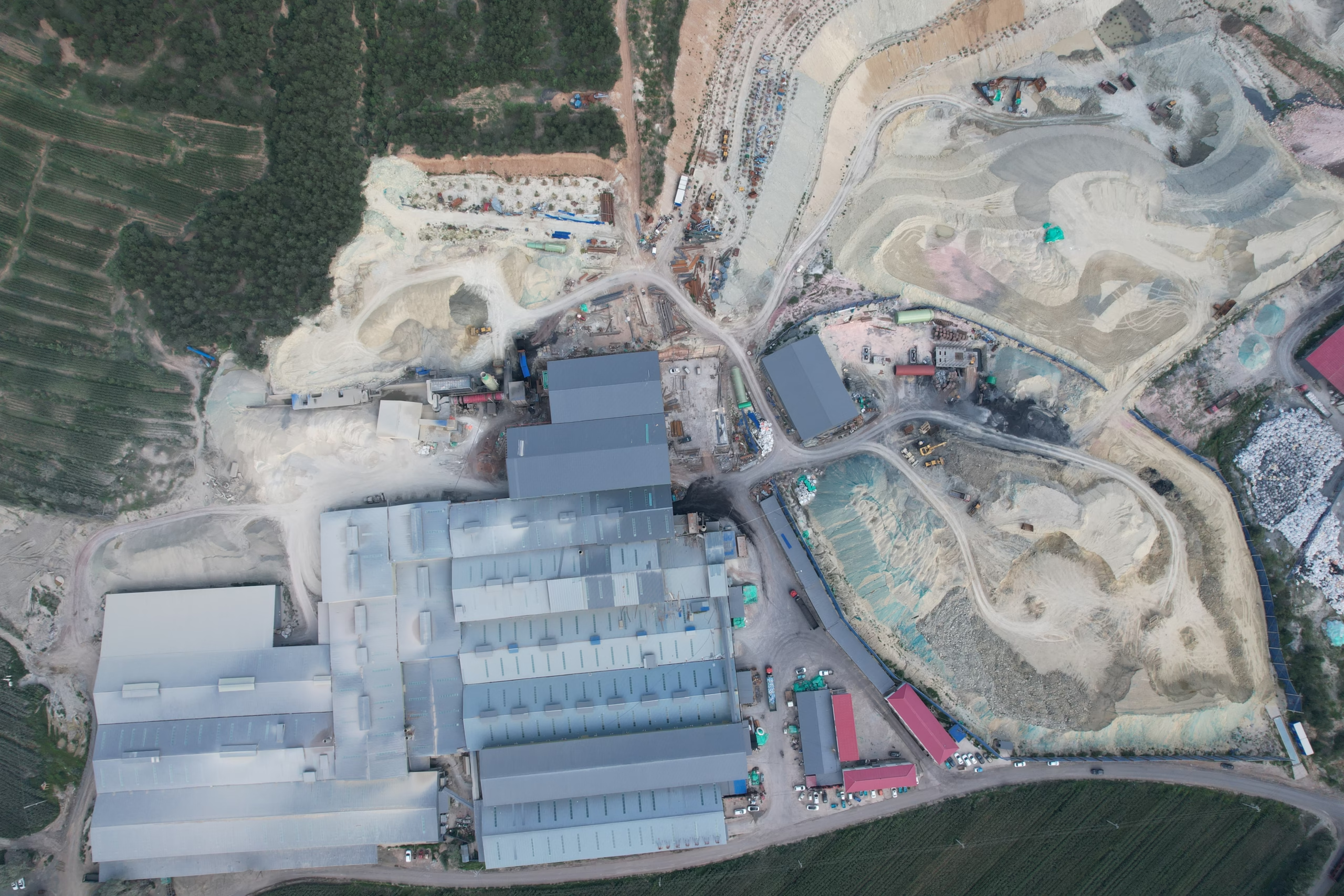
At LINGSHUAI, we coordinate mineral sourcing, production, quality checks, and packaging through our factory team. We agree the specification and sample reference with you for both the initial order and repeat supply.
LINGSHUAI is a bentonite cat litter manufacturer based in Inner Mongolia, China. By integrating self-owned bentonite resources with production, testing, and packaging operations, the company supports wholesale supply, bulk orders, and OEM/private-label projects for international markets.
Factory Scale and Supply Capacity
LINGSHUAI's integrated resource and production operations provide a foundation for long-term supply planning.
l 19,000+ m² factory area: Production facilities support bentonite processing, granulation, drying, screening, quality checks, and packing.
l 185+ acres of mining and production area: Equivalent to approximately 74.9 hectares, this resource base supports raw material control and supply planning.
l 3.65 million tons per year in stated annual supply capacity: We confirm available capacity and the production schedule for your specific formula, packaging, and order quantity.
l US$50 million+ in stated fixed assets: Production and processing infrastructure supports ongoing manufacturing operations.
Our production process covers raw-material selection and processing through packing and container loading. We agree the applicable particle-size, moisture, dust, absorption, clumping, and packaging checks with you and arrange sample confirmation before a bulk order.
Six Bentonite Cat Litter Formulas to Compare
We offer several bentonite formulations and confirm price, granule size, dust, clumping, and odor-control requirements with you. The approved sample defines the selected product specification.
1. Dust-Controlled Round Bentonite Cat Litter — We offer approximately 1–3.5 mm spherical granules for retail and wholesale supply, with the sieve and clumping specification confirmed by sample.
Product details: https://bentonitecatlitter.com/bentonite-cat-litter/dust-controlled-round-bentonite-cat-litter-1-3-5mm/
2. Blue Stone Premium Anti-Stick Clumping Litter — A premium formula designed for markets seeking enhanced anti-stick performance and differentiated odor-control features.
3. Dustless Fine Granule Bentonite Cat Litter — We supply approximately 0.5–1.44 mm fine granules and confirm texture, absorption, clumping, and visible dust against the approved sample.
Product details: https://bentonitecatlitter.com/bentonite-cat-litter/dustless-fine-granule-bentonite-cat-litter-0-5-1-44mm/
4. Cat Zhengzheng Odor Buster Bentonite Mixed-Mineral Litter — A mixed-mineral formula featuring broken carbon and zeolite for an odor-control-oriented product offering.
5. Green Shield Zeolite Bentonite Cat Litter — A 0.5–2 mm mixed formula incorporating zeolite and other functional additives for differentiated odor-control positioning.
6. Broken Carbon Bentonite Cat Litter — We offer a bentonite formula with crushed activated carbon for odor-adsorption requirements and confirm the particle-size specification by sample.
These six formulas give importers and distributors options across different market positions, from everyday bentonite cat litter to finer-granule and functional-additive products. Actual performance should be confirmed through representative samples and agreed testing methods rather than inferred from product names alone.
OEM, Private Label, and Wholesale Support
We can confirm private-label packaging, bag weight, scent or unscented formulation, additives, label language, barcodes, cartons, and pallets alongside your selected formula.
Our usual export MOQ is one 20-foot container, subject to confirmation for the selected order. We can arrange standard-formula samples to confirm granule size, dust, clumping, odor-control requirements, and packaging before bulk production.
We coordinate raw-material sourcing, production, and packing through one factory team so you can confirm the formula, specification, and repeat-order plan with us directly.
Explore the LINGSHUAI cat litter product range or learn more about wholesale and private-label supply.
6.2 Confirm Product and Packaging Options
Ask whether the manufacturer can provide the product type, particle size, fragrance, and packaging format required for your target market.
Common cat litter bag styles
The suitable bag structure depends on the target weight, shelf presentation, required sealing, and filling process.

Three-side seal bags: A flat package sealed on three sides, often considered for straightforward retail packaging.
Four-side seal bags: A package with sealing on all four sides, offering a different structure and presentation from a three-side seal bag.
Eight-side seal bags: A more structured package with multiple sealed panels that can provide a box-like appearance and a broader display surface.
Stand-up pouches: Designed to stand on a shelf when the structure and filling level allow it; some formats can include resealable features or handles.
The final design should be confirmed with the packaging supplier to ensure that the bag structure is suitable for the chosen weight, material, filling equipment, and handling conditions.
Common bag materials
PE plastic bags are commonly used for smaller retail packages, such as 4 kg and 8 kg formats, subject to the bag structure and required strength.
Woven polypropylene bags, commonly called woven bags, may be more suitable for heavier packages, including 15 kg or 20 kg formats, where additional strength is needed. The final material should be selected according to the actual net weight, bag construction, sealing method, and shipping conditions.
Other packaging arrangements, such as cartons, outer bags, vacuum packaging, and pallets, can be considered according to the target market and transportation requirements.
LINGSHUAI private-label customization process
For a private-label project, packaging and production need to be coordinated in the correct order.
l Confirm the bag style: Select three-side seal, four-side seal, eight-side seal, stand-up pouch, or another suitable structure.
l Confirm specifications and artwork: Determine bag weight, dimensions, material, product information, language, barcode, and design.
l Plate-making: After the packaging artwork is finalized and approved, plate-making takes approximately 7 days.
l Packaging bag production: Once the plate-making stage is completed, production of the packaging bags takes approximately 15 days.
l Transport bags to the cat litter factory: Moving the finished bags from the packaging factory to LINGSHUAI's cat litter factory takes approximately 3 days.
l Cat litter production and filling: After the bags arrive, production and filling/packing take approximately 2–3 days.
l Pre-shipment confirmation and loading: The finished order is checked against the agreed specifications, and the container is loaded and transported to the port, taking approximately 2 days.
These are planning estimates. The actual schedule depends on artwork approval, packaging production, product specifications, order details, and logistics arrangements.
For additional information about product and packaging coordination, visit LINGSHUAI's cat litter supplier and private-label supply page.
6.3 Compare MOQ, Lead Time, and Trade Terms
We confirm MOQ, sample arrangements, production schedule, shipping terms, and quality acceptance requirements with you before finalizing the order.
Minimum order quantity
LINGSHUAI's standard minimum order quantity for the described retail cat litter supply program is one 20-foot container, with an approximate target loading quantity of 26 metric tons under a suitable standard packaging arrangement.
We calculate the final loading quantity from bag weight, dimensions, cartons, and pallets and confirm the container loading plan with you before finalizing the order.
Sample policy
We can provide cat litter samples free of charge for evaluation. International courier charges are paid by you and confirmed before dispatch.
We arrange sample confirmation for particle size, absorption, clump formation, visible dust, scent, and additive appearance before bulk production.
The sample requirements, destination, and courier charge should be confirmed before shipment.
Production schedule
After the packaging artwork has been finalized and approved, the estimated schedule is as follows:
| Production stage | Estimated time |
| Plate-making | Approximately 7 days |
| Packaging bag production | Approximately 15 days |
| Transport of packaging bags to the cat litter factory | Approximately 3 days |
| Cat litter production and filling/packing | Approximately 2–3 days |
| Container loading and transportation to the port | Approximately 2 days |
If these stages are completed sequentially, the estimated time from approved artwork to port dispatch is approximately 29–30 days. This is a planning estimate rather than a guaranteed delivery time, and it excludes ocean transit to the destination.
We confirm the production schedule with you after reviewing the formula, packing, quantity, and order requirements.
Shipping terms
LINGSHUAI can provide quotations under FOB or CIF terms, subject to the destination port, order quantity, product specifications, and shipping arrangements.
We specify the trade term, named port, included costs, and agreed responsibilities for freight, insurance, customs clearance, and destination charges in the quotation.
Pre-shipment quality confirmation
Before shipment, we can provide product test videos for your review and compare visible batch characteristics with the approved sample.
Depending on the product and order requirements, useful checks may include:
l Absorption and liquid-contact behavior.
l Clump formation and handling strength.
l Visible dust during pouring.
l Granule size and appearance.
l Bag weight and packaging condition.

Our test videos support visual confirmation. When quantitative performance criteria are required, we agree the test method and acceptance requirements with you before production and confirm which reports apply to the ordered product.
7. Frequently Asked Questions About Cat Litter
What is cat litter mainly used for?
Cat litter is mainly used to absorb moisture, contain cat waste, help manage unpleasant odors, and make litter box cleaning easier. Different formulations offer different combinations of absorption, clumping, and maintenance convenience.
What are the main types of cat litter?
Common types include bentonite, silica gel, wood, paper, and tofu cat litter. They differ in material, moisture handling, texture, maintenance, and disposal requirements.
Is dust free cat litter completely free of dust?
Not necessarily. We describe dust performance using the agreed specification and test method. We evaluate visible dust during pouring and scooping and confirm the approved sample before production.
Does low tracking cat litter prevent all litter from spreading?
No. Low tracking cat litter is designed to help reduce tracking, but results depend on granule properties, the cat's behavior, litter depth, and the surrounding setup.
Is unscented cat litter better than scented litter?
Neither option is universally better. Unscented cat litter may suit cats or households that prefer to avoid added fragrances, while other owners may prefer scented products. The cat's response and the product's actual performance should guide the choice.
What should retailers consider when selling cat litter?
Retailers should consider local demand, product variety, pricing, packaging, stock availability, and customer preferences. Educational content, suitable product combinations, and reliable replenishment can also support the customer experience and repeat sales.
What should I consider when buying bulk cat litter?
Consider product specifications, order quantity, packaging, total landed cost, storage capacity, supplier reliability, and expected market demand. Sample testing before a large order can help reduce purchasing risk.
How do I find reliable cat litter manufacturers?
Compare manufacturers based on verified production capabilities, product consistency, quality control, packaging options, MOQ, lead times, export experience, and trade terms. Request samples and confirm specifications before placing a large order.
What is the MOQ for LINGSHUAI cat litter orders?
Our standard retail export MOQ is one 20-foot container, subject to order confirmation. We calculate loading quantity from the selected product, bag weight, packaging, and container plan and confirm the details with you before production.
Can LINGSHUAI provide private-label cat litter packaging?
We support private-label packaging and confirm bag style, material, package weight, artwork, language, and quantity with you before packing materials enter production.
How long does private-label cat litter production take?
After artwork approval, plate-making takes approximately 7 days and packaging bag production takes approximately 15 days. Transporting the bags to the cat litter factory takes about 3 days, followed by approximately 2–3 days for production and filling/packing and 2 days for loading and transportation to the port. The estimated total is approximately 29–30 days if the stages proceed sequentially, subject to confirmation.
Conclusion
Cat litter supports everyday cat hygiene by absorbing moisture, containing waste, helping manage odors, and making litter box maintenance easier. Different materials and formulations provide different combinations of performance, convenience, and cost.
For cat owners, the best choice depends on their cats' preferences and household needs. For pet stores and retailers, a well-planned product range, useful educational content, reliable availability, and related product offerings can help attract customers and encourage repeat purchases.
For wholesalers and distributors, evaluating product specifications, packaging, total landed cost, and supplier reliability is essential when purchasing in bulk. Packaging decisions affect not only brand presentation and product protection but also container loading quantities and shipping economics.
We manufacture spherical, crushed-granule, and additive-blended bentonite cat litter, with sample confirmation and private-label packing support. Send us your target market, specification, package format, and quantity for a sample plan and factory quotation.
How to Choose a Cat Litter Supplier
We explain our bentonite sourcing, production workflow, batch quality checks, OE…
Read more
Clumping vs Non Clumping Cat Litter: Key Differences
คู่มือทรายแมวเบนโทไนท์จับตัวเป็นก้อนสำหรับผู้ซื้อขายส่ง สำหรับตลาดประเทศไทย: หน้…
Read more
Flushable Cat Litter Claims: Factory Guide for Export Buyers
A practical guide for importers on water-dispersible and flushable cat litter cl…
Read more