How to Test Cat Litter Performance: Comparison Guide
A repeatable method for comparing cat litter absorption, clump integrity, dust, tracking, odor control, consumption, packaging and transport stability.
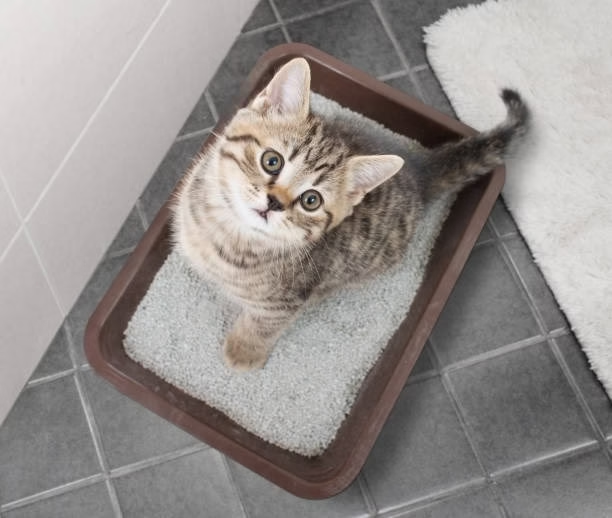
How to Test Cat Litter Performance: A Practical Comparison Guide
Cat litter should be compared using identified products, consistent test conditions, and recorded results—not an unnamed “regular litter” or an unrelated retailer’s brand name. Absorption, clumping, dust, tracking, odor control, texture, consumption, and packaging are separate characteristics and should be evaluated separately.
Build a Fair Test Plan
Before testing, record the product code, batch, material, granule range, fragrance or additives, package condition, and storage history. Use the same equipment and conditions for every sample.
| Variable | Keep consistent | Record |
|---|---|---|
| Litter bed | Tray size, litter depth and starting mass | Depth, weight and room conditions |
| Test liquid | Volume, temperature and application point | Liquid amount and delivery method |
| Timing | Same waiting and observation intervals | Clump formation and scoop time |
| Handling | Same scoop, pouring height and motion | Breakage, residue and visible dust |
| Sample condition | Fresh and transport-simulated samples | Bag condition and granule damage |
1. Liquid Handling and Absorption
Absorption should not be described only as a percentage without a method. Record the starting sample mass, liquid volume, contact time, retained liquid, free liquid, and condition of the surrounding litter. A product can absorb liquid yet form a weak or sticky clump, so absorption and clump quality need separate results.
2. Clump Formation and Scoop Integrity
Apply the same liquid volume and wait for agreed intervals. Observe the clump footprint, depth, hardness, bottom sticking, and how much material breaks during scooping. “Instant” or “rock-hard” should not replace measured time and handling observations.
3. Dust
Compare dust using the same sample amount, pouring height, container, movement, instrument or observation rule, and reporting unit. A visible pouring test is useful for like-for-like comparison but does not establish medical safety. Include transport-aged samples because granules can break and create fines during shipping.
4. Tracking and Granule Comfort
Tracking depends on particle size, weight, shape, static, paw moisture, clump breakage, mat design, and cat behaviour. A larger particle may track less but be less acceptable to some cats. Record both measured scatter and cat acceptance rather than declaring one granule universally best.
5. Odor-Control Evaluation
Separate the base litter’s liquid management from fragrance and functional additions such as carbon or zeolite. Define the odor source, dose, container, temperature, standing time, scoring method, and evaluator conditions. A strong perfume is not evidence that ammonia or other odor compounds were controlled.
6. Consumption and Cost per Use
Bag price alone does not show value. In a controlled home or panel trial, record the starting quantity, scooped waste, top-ups, full replacements, test duration, number of cats, and remaining product. Compare cost per day or per cleaning routine only when the trial conditions are equivalent.
7. Packaging and Transport Stability
Check seal integrity, bag weight, leakage, moisture protection, pallet pattern, and granule condition after vibration or transport simulation. A freshly produced sample may not represent performance after long-distance shipping.
How to Report Results Responsibly
- Name the exact samples and batches being compared.
- Describe the method and conditions beside every result.
- Do not invent ratings, customer reviews, competitor data, or health conclusions.
- Do not generalize one sample result to every clumping or non-clumping litter.
- Keep laboratory, factory, and in-home observations clearly separated.
Factory Sample Approval Checklist
For a wholesale or private-label order, approve the formula, granule specification, dust method and limit, clump test, odor-control direction, scent, packaging, bag weight, pallet plan, transport check, artwork claims, and change-control process. Retain the approved sample and report for production comparison.
Frequently Asked Questions
Can clumping and non-clumping litter be compared with one score?
A single score can hide different cleaning systems. Report liquid handling, removal routine, dust, tracking, odor, consumption, and cat acceptance separately.
Does faster clumping always mean better litter?
No. Speed must be considered with clump integrity, bottom sticking, dry-litter loss, dust, and cat acceptance.
Can a factory test prove how every cat will respond?
No. Controlled tests describe product behaviour under stated conditions. Cat acceptance requires an appropriately designed use trial.
Cat Litter Absorbency, Clumping and Odor: What to Test
A concise checklist for measuring cat litter absorption, clump integrity, dust, …
Read more
What Is Clumping Cat Litter? How Bentonite Forms Clumps
A clean home and happy feline start with effective cat litter clumping. When moi…
Read more
ผ่านการทดสอบและไว้วางใจ: ทำไมทรายแมวจับตัวพิเศษจึงโดดเด่น
We produce clumping bentonite cat litter and confirm absorption, clump strength,…
Read more