
arena para gatos antiolor Blog
Si yo fuera el gato en la reunión, no empezaría por la etiqueta de la bolsa. Empezaría por la sensación en las patas, el olor y si la caja sigue sintiéndose limpia tras una visita. El lado humano también importa: recoger fácilmente, menos polvo en casa y una fórmula que mantenga su rendimiento tras almacenamiento y transporte.
Quick checklist before choosing a litter type
- Start with cat acceptance: texture, digging feel, and whether the cat returns to the box.
- Choose the material by use case: clumping bentonite, tofu, wood, paper, silica, plant fiber, or mixed formulas.
- Comprueba la aglutinación: los grumos firmes reducen la arena húmeda que queda en la caja.
- Choose low dust, especially for indoor homes and premium positioning.
- Separa el control de olores del perfume. El carbón, la zeolita y el control de humedad no son fragancia.
- Compare tracking and granule size: fine litter covers well, larger granules may track less.
- Para marcas, importadores y distribuidores, confirme muestras y envases antes de la producción de contenedores.

1. Types of cat litter and the pros and cons
Most search results compare the material first because the material decides the cleaning style, texture, weight, odor behavior, and price range. The table below keeps the choice practical instead of pretending one litter can be perfect for every cat.
| Tipo de arena para gatos | Good points | Límites a verificar | Best fit |
|---|---|---|---|
| Clumping bentonite clay | Grumos rápidos, cernido diario, textura arenosa familiar, cadena de suministro sólida para minoristas y mayoristas | Nivel de polvo, dureza del grumo, humedad, tamaño del gránulo, adherencia al fondo | Most adult cats, private label lines, and export programs that need stable cleaning performance |
| Non-clumping clay | Simple mineral option and often lower starting cost | Wet litter stays in the box longer, so full-box changes are more frequent | Price-focused use where daily full replacement or frequent refresh is acceptable |
| Tofu or plant fiber | Lightweight, plant-based positioning, soft texture | Moisture sensitivity, storage odor, local disposal rules, and clump strength | Mercados que prefieren arena de origen vegetal y bolsas ligeras |
| Wood or paper pellets | Lower tracking, softer alternative positioning, lighter handling | A algunos gatos no les gusta la textura de las bolitas; hay que comprobar el olor y la frecuencia de cambio total | Cats that accept pellets and homes that want less fine granule scatter |
| Silica crystal litter | Lightweight absorption and longer change-interval positioning | Crystal texture, non-clumping behavior, dust, and price acceptance | Households that prefer absorption-style systems instead of daily clump scooping |
| Corn, wheat, walnut, or other plant litter | Natural-positioning options with different weights and textures | Olor del material alimentario, humedad, insectos, almacenamiento local y aceptación felina | Niche retail channels where plant-based claims matter |
| Fórmulas mixtas de bentonita | Base de bentonita aglutinante con carbón, zeolita, SAP, partículas de cristal u otros aditivos inodoros para diferenciar el producto | Additive ratio, visual consistency, scent decision, and product naming accuracy | Brands that want a clear formula difference while keeping bentonite clumping performance |
2. Start with what the cat will actually use
The best cat litter for cats is the one they accept consistently. Many cats prefer a soft, diggable texture that feels closer to soil or sand. A litter can have strong claims on the bag, but if the texture is too sharp, too heavily perfumed, too dusty, or too wet after use, the cat may avoid the box.
Para una arena nueva, cambia gradualmente. Coloca la nueva junto a la vieja o mézclala despacio, y observa si el gato cava, cubre y vuelve sin dudar. Para el trabajo con muestras de fábrica, la opinión del uso real es más útil que una foto de gránulos limpios.
3. Cómo elegir un tipo de arena según el uso
- Recogida diaria: choose a firm clumping litter, usually bentonite or a plant-based clumping formula.
- Hogares con bajo polvo: compare pouring and scooping tests, not only the words on the package.
- Odor-focused use: start with absorption and clumping, then compare carbon, zeolite, or other odorless additives.
- Low tracking: prueba juntos el tamaño del gránulo, el peso y la rotura del grumo.
- Kittens or senior cats: choose a softer, low-dust, simple-scent option and introduce it gently.
- Suministro minorista o de marca blanca: confirm sample performance, bag type, pallet plan, and container loading before production.
4. Clumping or non-clumping?
Clumping litter is usually easier for daily cleaning because urine forms removable clumps. This reduces wet material left in the box and helps the remaining litter stay dry. Non-clumping litter may work for pellet, paper, wood, or crystal systems, but it usually needs more frequent full-box changes when odor builds up.
5. Low dust matters more than a perfect claim
Cuando la gente busca arena para gatos sin polvo, normalmente quiere menos desorden y aire más limpio alrededor de la caja. Ninguna arena mineral debería venderse como mágicamente sin polvo sin una prueba realista. Una mejor pregunta de compra es: ¿cuánto polvo aparece al verter, recoger y transportar la bolsa?
For bentonite litter, dust is affected by mineral quality, crushing, screening, drying, transportation, and bag handling. For a premium formula, ask for a pouring test and a sample from the same production direction that will be used for the order.
6. El control de olores no es lo mismo que una fragancia fuerte
Strong perfume can make a product smell impressive in the bag, but it does not replace absorption, firm clumping, moisture control, or regular scooping. Many markets prefer unscented or low-scent litter, especially for sensitive-cat or premium positioning.
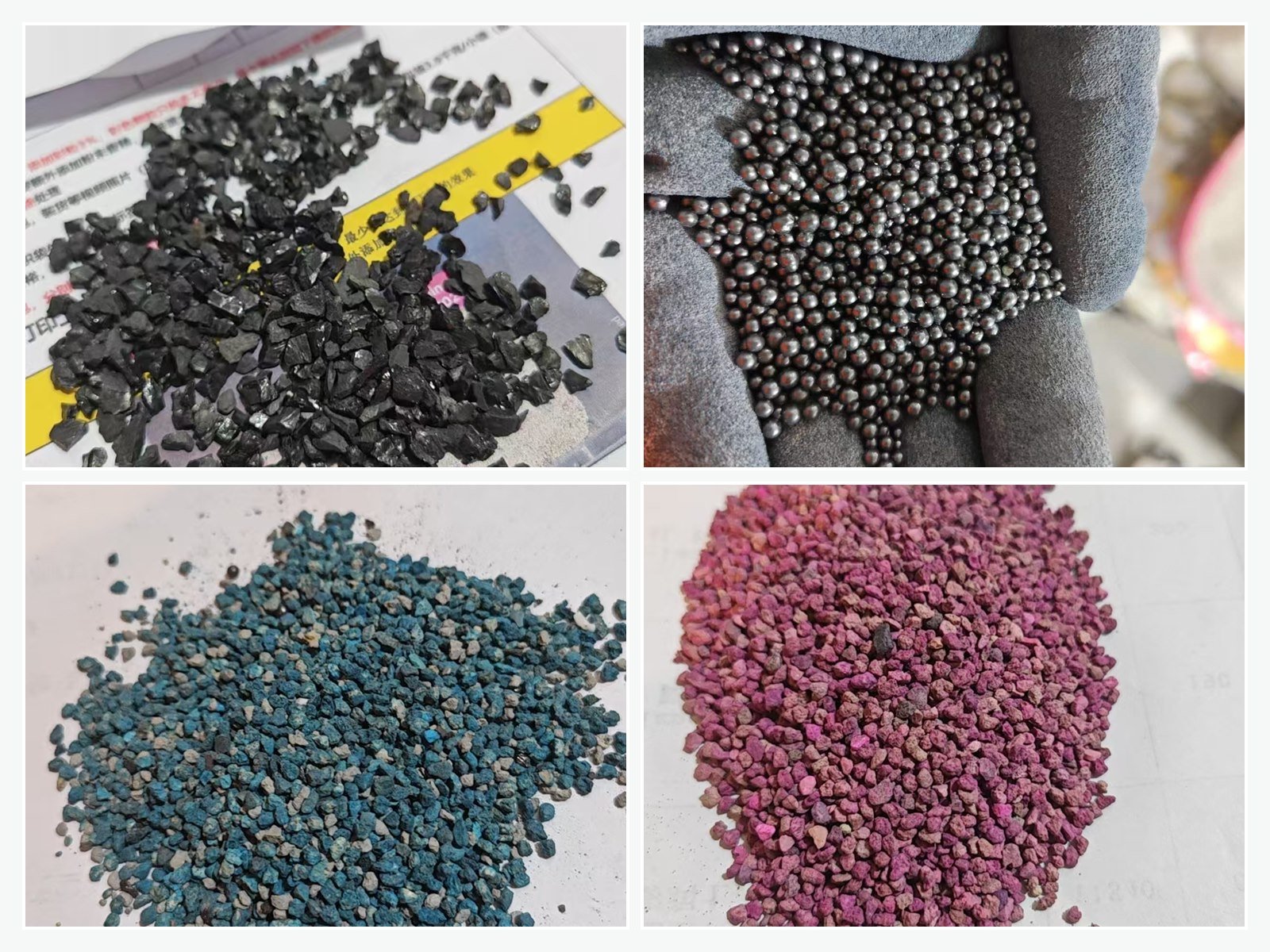
For odor-control cat litter, compare the base litter first. Then choose whether the formula needs activated carbon, crushed carbon, carbon balls, zeolite, or another odorless mixed additive. Fragrance can be added separately when the target market expects lavender, baby powder, lemon, green tea, coffee, or another scent.
7. Tracking depends on granule size, weight, and clump breakage
La arena de bajo arrastre no depende solo de gránulos grandes. Los pellets muy grandes pueden reducir el arrastre, pero a algunos gatos no les gusta la textura. Los gránulos finos pueden sentirse mejor bajo la pata, pero necesitan buen control de polvo y grumos estables. Los grumos rotos también aumentan el desorden porque las partículas húmedas pequeñas se esparcen por el arenero.
For retail formulas, choose the granule size by the local cleaning habit and cat preference. For bulk or wholesale programs, compare fine granule, round granule, and mixed formulas with the same cleaning test.
8. Cómo se ve una arena para gatos de mala calidad
A litter type can sound right and still perform badly. The common problems are easy to see during sample testing, and the cat usually notices them faster than the person reading the label.
| Problem | What happens in use | Qué comprobar |
|---|---|---|
| Heavy dust | Dust rises when pouring or scooping, settles near the box, and may reduce acceptance in sensitive homes | Prueba de vertido, polvo en el fondo de la bolsa y polvo tras el transporte |
| Weak clumps | Los grumos se deshacen al recogerlos y dejan partículas húmedas en la caja | Clump speed, clump hardness, and scoop breakage |
| Pegado al fondo | Wet litter sticks to the tray, making cleaning slower and leaving odor behind | Same-depth tray test with fixed water volume |
| Strong perfume over weak absorption | The bag smells strong, but ammonia odor returns quickly after use | Odor after clumping, odor after storage, and scent acceptance |
| Mezcla de gránulos inestable | El polvo fino y las partículas grandes se separan, por lo que las distintas bolsas resultan inconsistentes | Granule distribution from several sample bags |
9. For kittens, senior cats, and sensitive households
Para gatitos, gatos mayores o hogares sensibles, mantenga las afirmaciones con cautela. Elija una textura suave, poco polvo, una dirección de aroma simple y limpieza fácil. Evite fragancias fuertes o partículas afiladas que puedan reducir la aceptación de la caja. Si un gato tiene una afección respiratoria o médica, el hogar debe seguir el consejo veterinario en lugar de confiar en una página de producto.
10. How to switch cat litter without losing box acceptance
La mayoría de los gatos prefieren la rutina. Si la nueva arena huele muy diferente o se siente distinta bajo la pata, cambie despacio. Añada una pequeña cantidad de la nueva arena a la bandeja antigua, aumente la proporción durante varios días y mantenga la bandeja limpia durante la transición. Si el gato deja de usar la bandeja, retroceda un paso en lugar de forzar el cambio.
11. Brands and importers should choose by sample, not by catalog text
For a retail brand, distributor, or importer, choosing cat litter is also a factory-supply decision. The final formula must survive storage, sea freight, warehouse handling, and retail display. Before a volume order, test a sample and confirm the production details behind it.
| Verificación de fábrica | Por qué es importante | Where to review |
|---|---|---|
| Granule size and feel | Controls cat acceptance, tracking, and product positioning | Product center |
| Pruebas de polvo y aglutinación | Shows real performance before printing bags | Wholesale clumping cat litter |
| Enfoque de control de olores | Carbon, zeolite, scent, or unscented formulas target different markets | Guía de control de olores |
| Packaging and loading | El peso del saco, el cartón, el palé y el plan de contenedor afectan el costo final | Peso |
Formula examples for choosing cat litter
Estas imágenes locales de productos muestran cómo la textura, la dirección de los aditivos, el embalaje y la ruta de suministro cambian la elección final. Son mejores para este artículo que las imágenes de archivo genéricas porque se ven la superficie real del gránulo y el contexto de la fábrica.
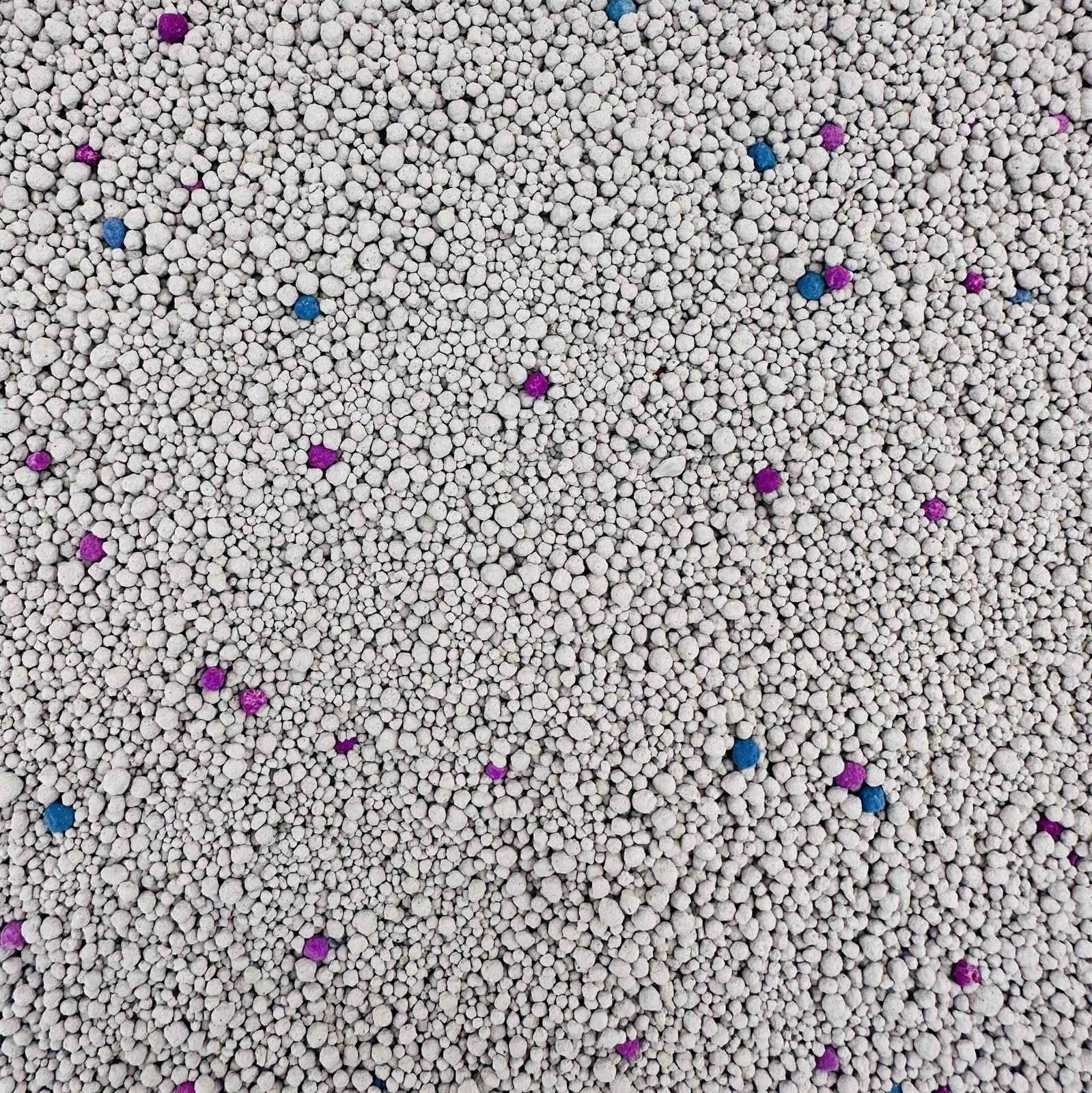
Bentonita redonda baja en polvo 1-3.5mm
A cost-effective formula direction for markets that need familiar round granules, clear clumping, and stable daily cleaning.
Bentonita de grano fino 0.5-1.44mm
A finer texture for stronger coverage, softer paw feel, and a more premium cleaning experience.
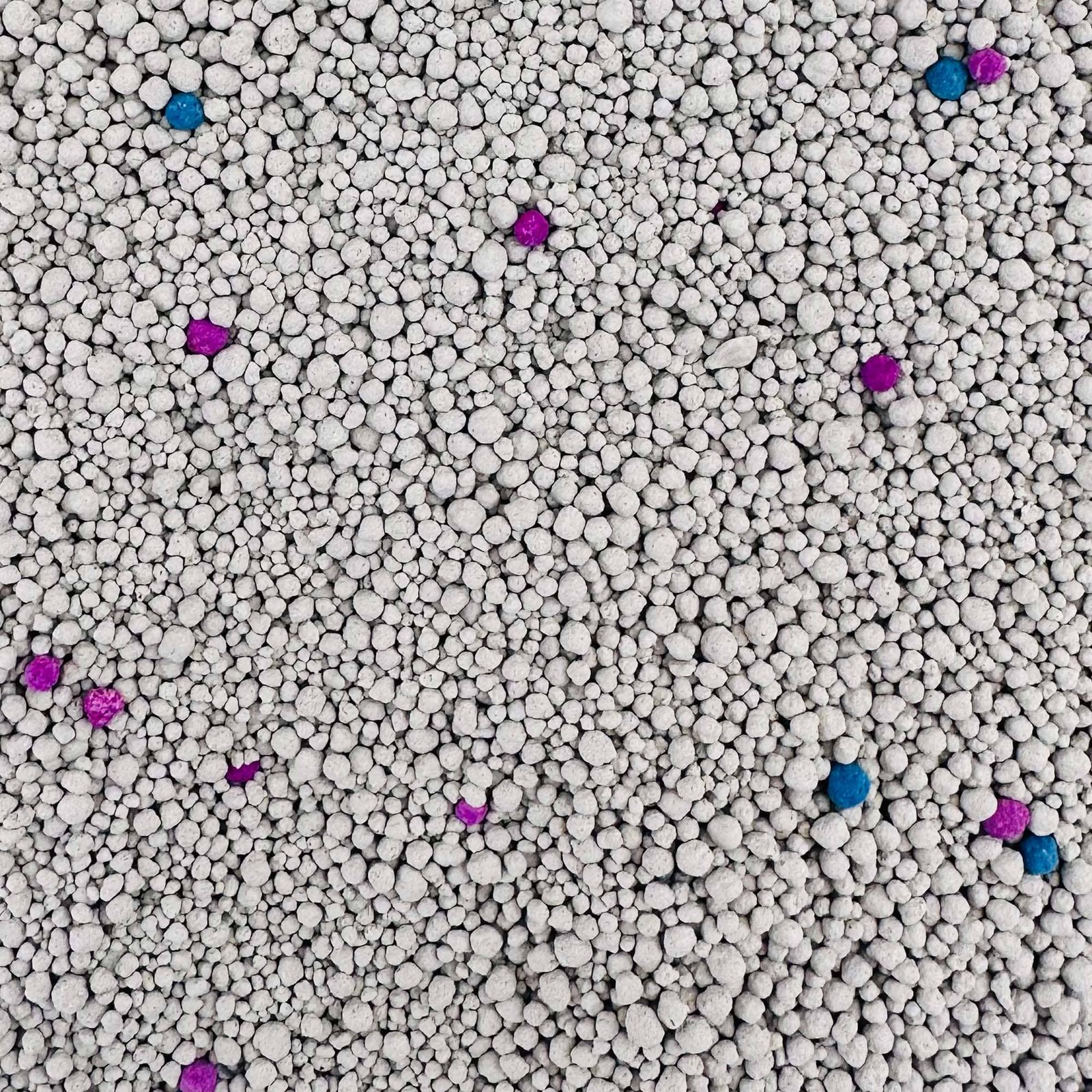
¿Qué tamaño redondo sirve para arena aglomerante?
A route for importers and distributors who need sample checks, bag options, batch review, and export loading support.
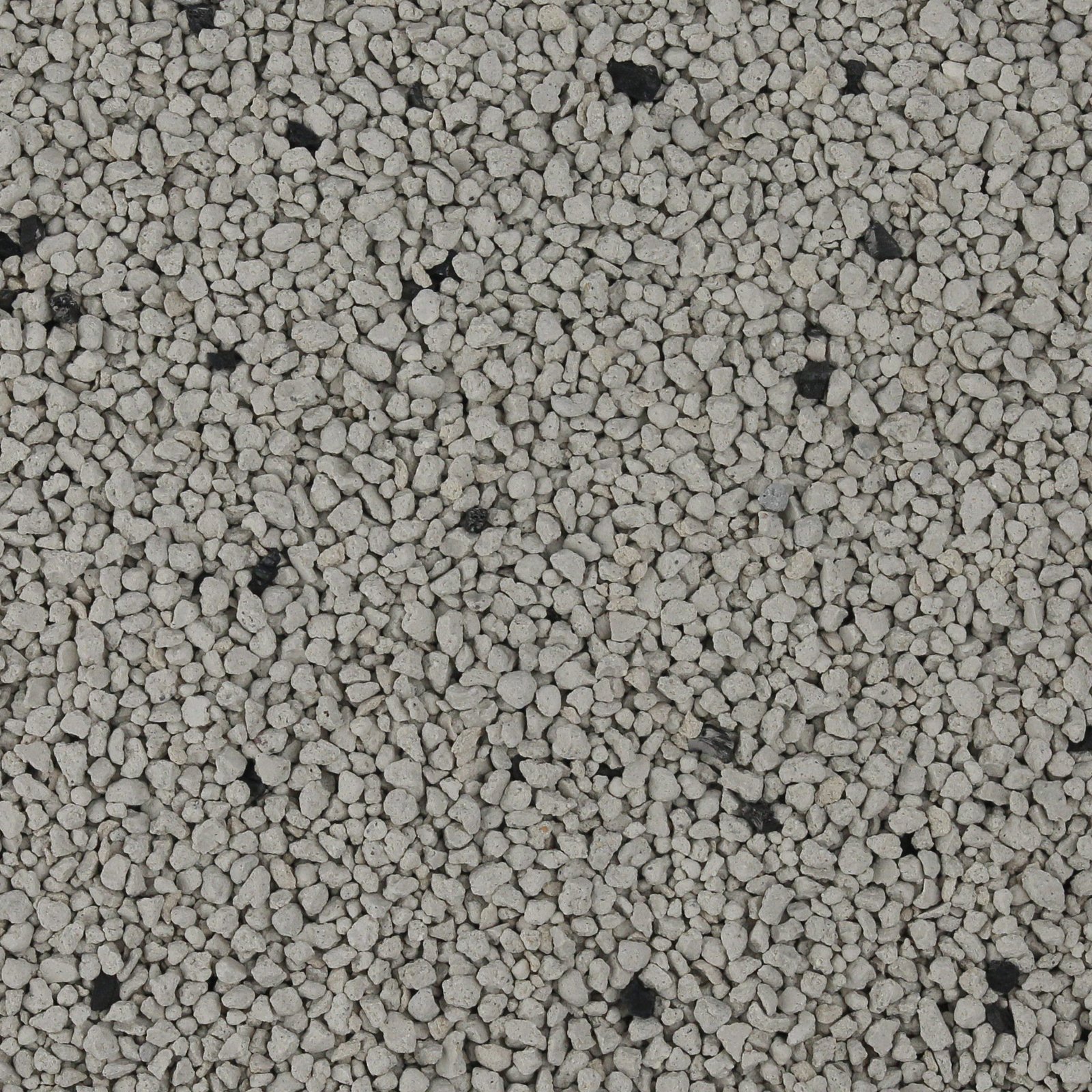
Guía de control de olor
A common odor-control direction when a formula needs visible carbon particles without relying only on fragrance.
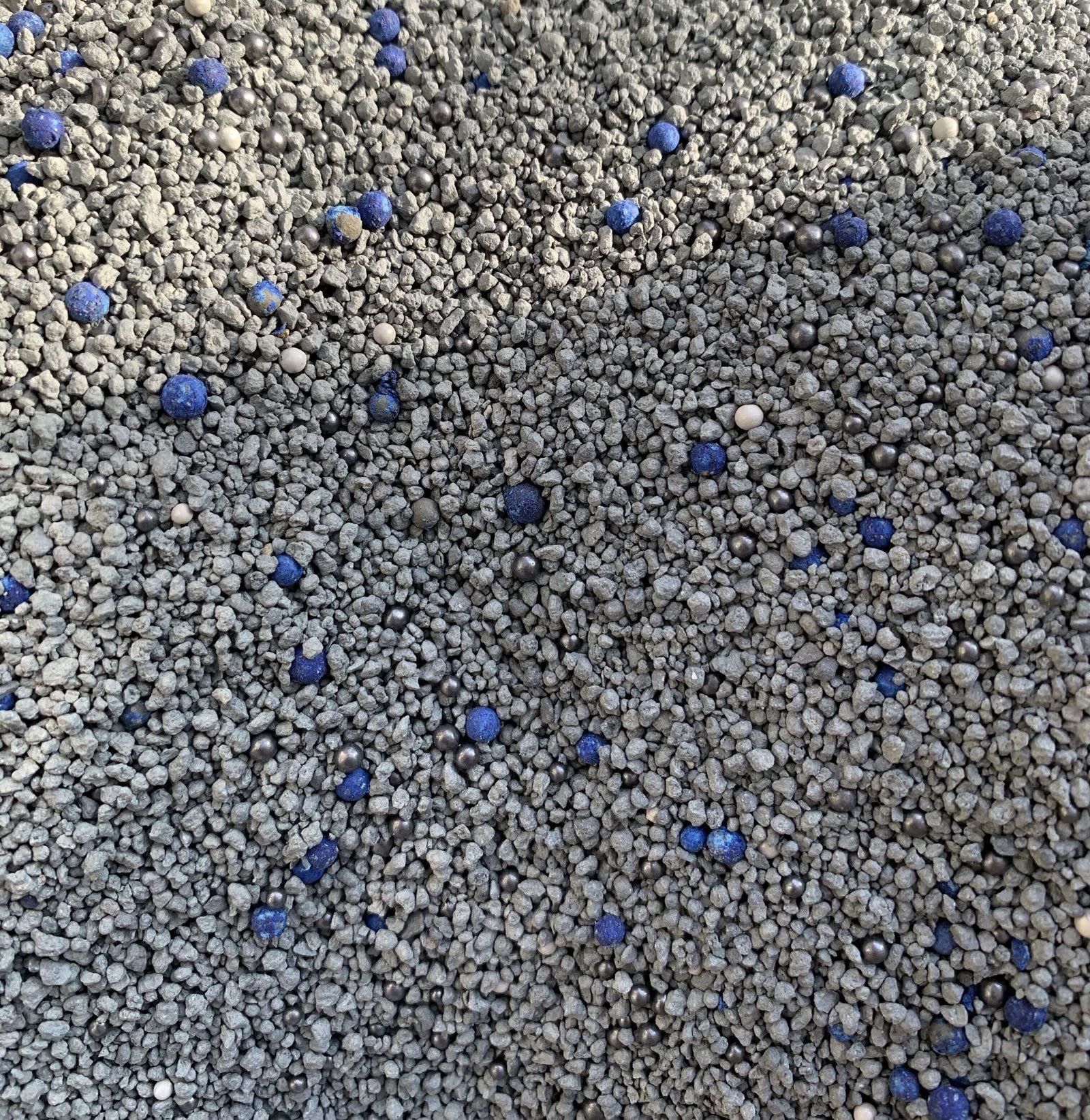
Fórmula premium Blue Stone
A premium mixed-mineral direction for markets that expect low dust, strong clumping, odor control, and a clear product difference.
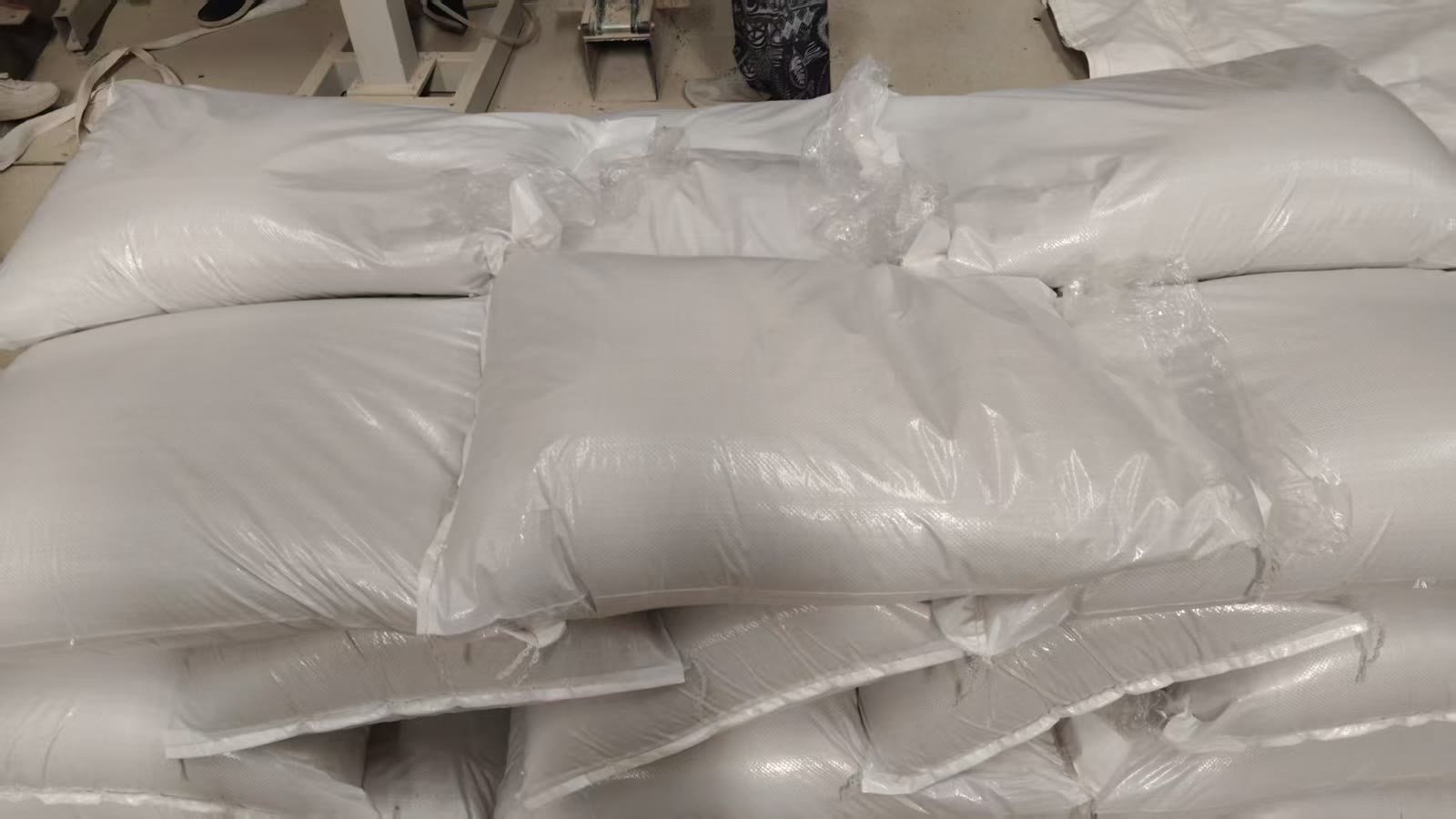
¿La bentonita redonda 2-3.5mm aglomera?
Una ruta a granel centrada en el coste por kilo, sacos tejidos de 25kg, manipulación en almacén y planificación de contenedores.
Recomendación final
For many adult cats, start with a low-dust clumping bentonite formula, then adjust granule size, odor-control additives, scent, and packaging by market. For a household, cat acceptance is the first test. For a brand, importer, or distributor, repeatable production and sample approval are just as important as the first impression.
FAQ
What are the main types of cat litter?
Los principales tipos de arena para gatos incluyen arcilla de bentonita aglutinante, arcilla no aglutinante, arena de tofu o fibra vegetal, pellets de madera o papel, arena de cristales de sílice, maíz, trigo, nuez y fórmulas mixtas de bentonita con aditivos de control de olores.
Which type of cat litter is best for most cats?
No hay un único tipo mejor para cada gato. Para muchos gatos adultos, una arena de bentonita aglutinante baja en polvo es un punto de partida práctico porque es fácil de cernir, controla las zonas húmedas rápidamente y se siente cercana a la arena o la tierra.
Is clumping or non-clumping cat litter better?
La arena aglutinante suele facilitar la retirada diaria porque las zonas húmedas forman grumos removibles. La arena no aglutinante puede funcionar con sistemas de pellet, papel, madera o cristal, pero normalmente requiere cambios completos más frecuentes.
What cat litter is best for kittens?
For kittens, choose a soft, low-dust, simple-scent litter and introduce it gradually. Very young kittens may need extra caution with any litter they might chew or swallow, so follow veterinary advice when unsure.
¿Qué tipo de arena para gatos ayuda con el olor?
Odor control starts with absorption, firm clumping, moisture control, and regular scooping. Carbon, zeolite, and other odorless additives can support odor control, while fragrance is a separate market choice.
¿Qué arena para gatos debo evitar?
Avoid litter with heavy dust, weak clumps, strong perfume used to cover poor absorption, sharp granules that cats reject, unstable moisture, or unsupported health and antibacterial claims.
How should brands or importers test cat litter before ordering?
Test dust level, clump speed, clump hardness, bottom sticking, odor after storage, granule feel, additive distribution, bag weight, bag material, pallet plan, and container loading before confirming volume production.